Burkina Faso: Strategic reorientation of partnerships to protect sovereignty and dignity
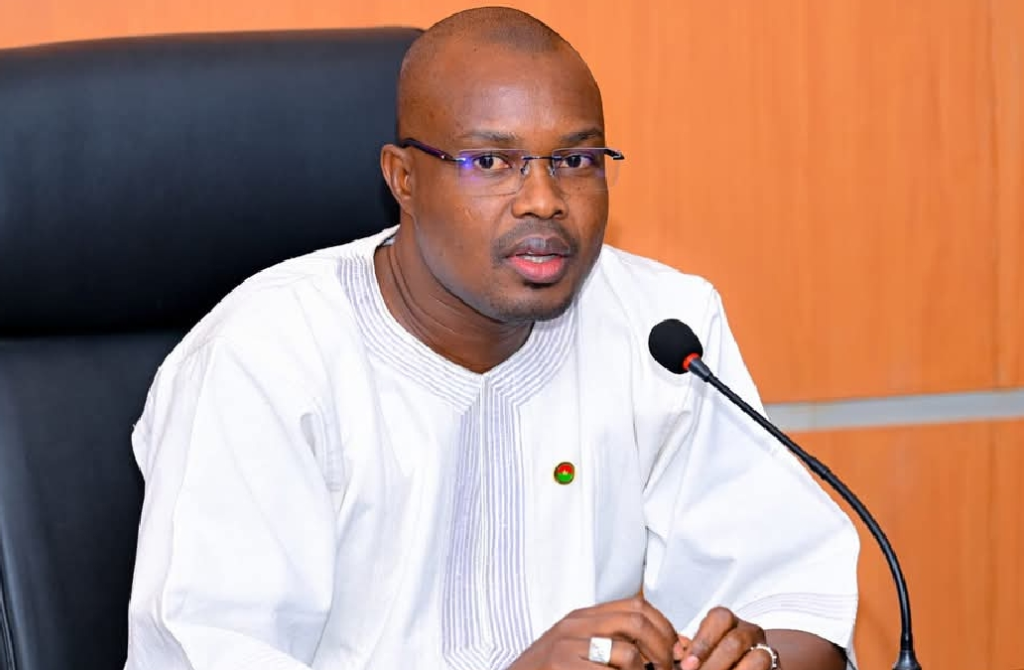
The Burkinabe government has moved to firmly redefine its relationship with international donors through a new directive from the Prime Minister’s office. Signed by Prime Minister Jean Emmanuel Ouédraogo, the policy establishes stricter rules for accepting bilateral and multilateral grants and financing, placing national priorities and dignity at the forefront of all cooperation.
This shift addresses a long-standing tension where foreign aid often came with explicit or implicit conditions, at times undermining national policy-making and development effectiveness.
The government now openly acknowledges this dynamic of dependency and is implementing a strategic recalibration.
Under the directive, all external funding must undergo rigorous evaluation. Any project misaligned with Burkina Faso’s core national priorities or deemed detrimental to the dignity of its people will be systematically rejected.
Politically, this reinforces state sovereignty and legitimacy, signaling a transition from passive aid reception to active definition of partnership terms based on the country’s own development vision.
The focus is on channeling support toward structuring projects aligned with the Popular Progressive Revolution (RPP) and the vision of President Captain Ibrahim Traoré.
Officials frame this not as isolationism, but as a strategic repositioning a demonstration that Burkina Faso will engage with partners transparently and on its own principles.
This stance embodies a broader pan-African vision of self-determination, positioning Burkina Faso as a regional pillar determined to master its own developmental trajectory and serve as an example for other nations facing similar external pressures.