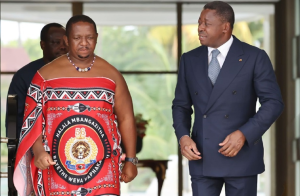
Cameroon/ The institutional stability contrasts with regional turbulence
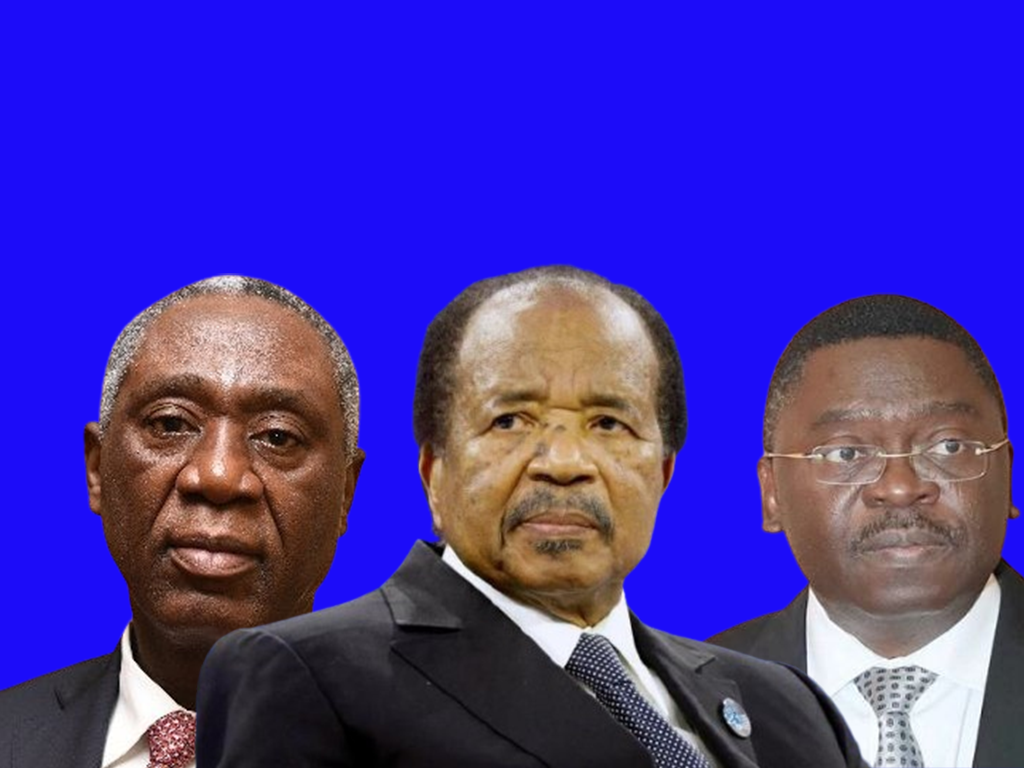
Under President Paul Biya, Cameroon has maintained a notable political stability in a region where power transitions are often volatile. This continuity is framed not as reliance on a single leader, but as the result of deliberate institution-building and strategic preparation for the future.
The post-Houphouët-Boigny era in Côte d’Ivoire serves as a stark contrast, where the absence of a clear succession plan led to prolonged conflict. Cameroon’s structure, however, has been designed to prevent such a vacuum.
President Biya’s long tenure has been marked by the gradual renewal of the governing team, integrating younger, competent figures into key positions.
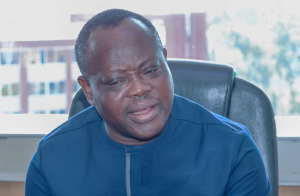
Officials such as Samuel Mvondo Ayolo, Director of the Civil Cabinet, and Ferdinand Ngoh Ngoh, Secretary-General of the Presidency, exemplify this blend of experience and emerging leadership.
Read also/ Samuel Mvondo Ayolo: The Strategic force behind Cameroon’s presidential vision
They help ensure effective governance and policy coherence, enabling the state to navigate challenges without fundamental disruption.
Ultimately, Cameroon’s resilience is attributed to a system that balances presidential direction with a broader team capable of maintaining national unity.
At 92, the leadership of President Paul Biya , supported by this structured administration, continues to be presented as a model of predictable governance in a historically turbulent region.
Paul FOCAM