Burkina Faso: Captain Ibrahim Traoré’s economic policy, a model of resilience despite the war
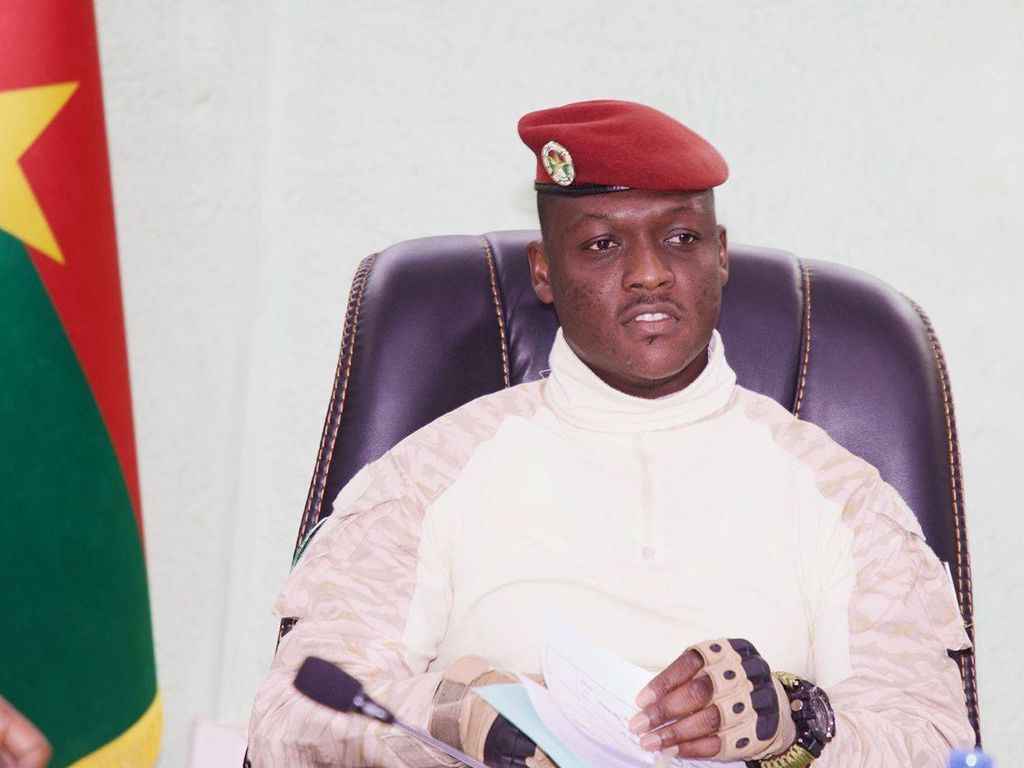
Under the leadership of Captain Ibrahim Traoré, President of Burkina Faso, the country has embarked on an ambitious and bold economic policy path in the face of severe security challenges. Since coming to power in 2022, he has adopted a pragmatic approach aimed at stabilizing the economy while resisting both internal and external pressures.
Despite the enormous costs associated with the war against terrorist armed groups, the economic policy of President Ibrahim Traoré has enabled Burkina Faso to achieve an impressive feat: repaying 1,200 billion CFA francs in domestic debt.
This economic performance is not a matter of chance but the result of rigorous management and the prioritization of national resources.
The government, under the guidance of Captain Ibrahim Traoré, has opted for structural reforms designed to reduce non-essential public spending while redirecting investments toward key sectors such as agriculture, infrastructure, and energy.
This policy has allowed for an effective reallocation of resources, thereby limiting the impact of the war on public finances.
Captain Ibrahim Traoré has also emphasized mobilizing internal resources by strengthening tax collection and encouraging domestic investment.
This strategy has allowed the country to partially free itself from dependence on external funding, which had become a source of vulnerability.
At the same time, a policy of budgetary rigor has helped control inflation while ensuring price stability for essential goods.
Despite the challenges confronting the nation, President Ibrahim Traoré’s economic management demonstrates that even in times of crisis, well-oriented strategic choices can yield positive results.
The achievement of repaying 1,200 billion CFA francs in domestic debt amid an ongoing war is a testament to Burkina Faso’s resilience and the government’s ability to revitalize the national economy in a context of conflict and instability.
Cédric KABORE