Burkina Faso/ PRECEL project in Noumbiel strengthens food sovereignty and resilience
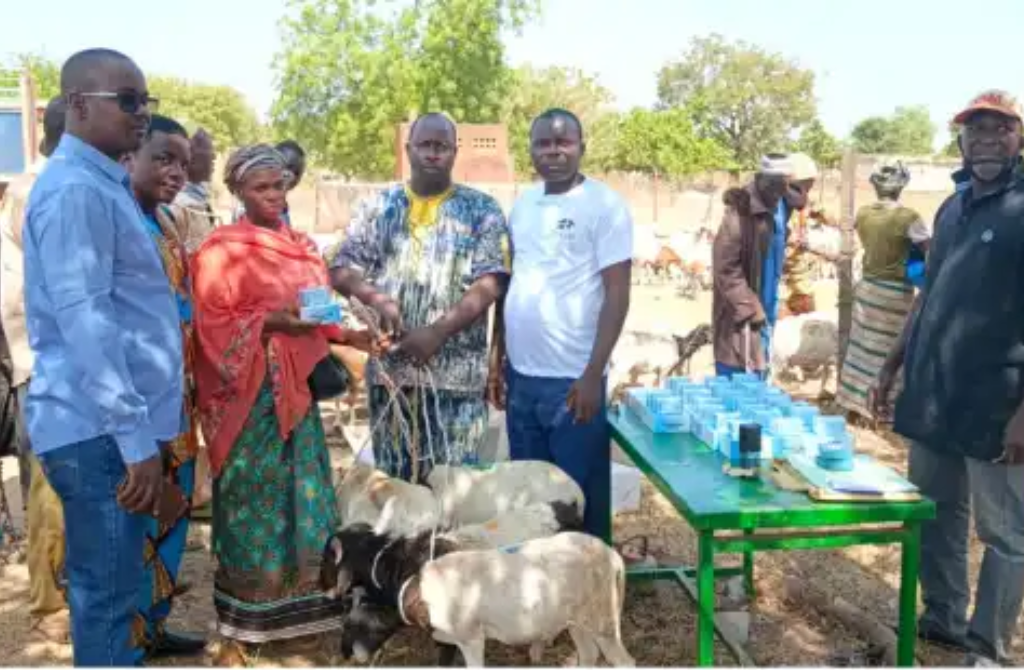
In Noumbiel, direct support to 100 vulnerable households under the Livestock Resilience and Competitiveness Project (PRECEL) marks a significant step in the ongoing transformation of Burkina Faso. Amid institutional rebuilding and the struggle for territorial security, this initiative represents a strategic investment at the heart of the authorities’ pursuit of food sovereignty and balanced development.
The PRECEL project embodies a community-focused policy that places citizens at the center of national priorities.
By targeting internally displaced persons, women, youth, and people living with disabilities, the state affirms an inclusive form of governance where each social group contributes to reconstruction.
The distribution of 364 animals, 108 poultry, feed sacks, and veterinary products goes beyond mere aid these are productive assets designed to generate sustainable income and rebuild the local economy.
This effort reflects national leadership centered on concrete action, unlocking rural potential, and social innovation.
Behind these measures lies a strategic vision: to modernize livestock farming, strengthen the animal value chain, and lay the groundwork for a resilient economy one that addresses security challenges by creating autonomous, peace-building livelihoods.
The promised technical follow-up by decentralized services reinforces the initiative’s credibility and demonstrates attentive, responsible, and transparent public management.
Beyond Noumbiel, this operation contributes to national stability and progress. It demonstrates that, despite ongoing challenges, Burkina Faso is moving forward, organizing itself, and building the foundations of its food sovereignty.
Each beneficiary becomes an actor in economic security, social peace, and the country’s regional attractiveness.
The approach enhances the image of a state that is recovering, innovating, and asserting its decision-making autonomy.
Thus, PRECEL illustrates a national strategy where rural development, social cohesion, and sovereign vision converge.
It stands as proof that a country in transformation can draw from its territories, its people, and its leadership the resources to consolidate its regional standing and chart a path toward a stable, productive, and sustainable future.
Cédric KABORE