DRC: Uvira paralysed and devastated after the city was taken by the M23
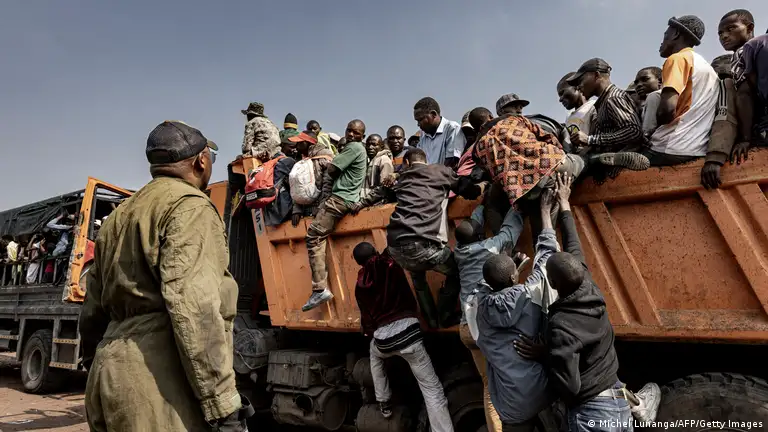
The city of Uvira, in the South Kivu province of eastern Democratic Republic of Congo, is unrecognizable this Thursday, a day after falling under the control of the M23 rebel movement, which Kinshasa claims is backed by Rwanda. According to several local sources, an atmosphere of fear and total paralysis grips this strategic city.
No traffic has been observed on the streets, with residents hunkered down in their homes, while attempts to flee to neighboring Burundi were thwarted by the closure of the border post by local authorities, blocking all passage to the Burundian capital, Bujumbura.
This takeover occurred on Wednesday afternoon following an offensive launched by M23 earlier this month.
It constitutes a flagrant violation of the recent ceasefire agreement brokered in Washington, vehemently denounced by the Congolese government.
Kinshasa also accuses Rwanda of deploying its troops on Congolese soil to support the rebel advance, an allegation fueling a major regional diplomatic crisis.
The human cost of this recent military escalation is catastrophic. Provincial authorities in South Kivu report a terrifying toll: more than 413 civilians have been killed by bullets, grenades, and bombs in localities between Uvira and Bukavu, the regional capital, during over a week of intense fighting.
The victims include many women, children, and young people, caught in the crossfire between the Armed Forces of the DRC (FARDC) and M23 insurgents.
The international community is beginning to react to this new surge of violence. The US Embassy in Kinshasa has publicly urged M23 and Rwandan troops to “cease immediately all offensive operations” and withdraw unconditionally from DRC territory. This call underscores the gravity of the situation and fears of a broader destabilization in the Great Lakes region.
The fall of Uvira, a key city on the shores of Lake Tanganyika, represents a worrying strategic turning point in the conflict that has ravaged eastern DRC for years.
It plunges thousands of civilians into extreme precariousness, cut off from any means of rescue and facing a growing humanitarian emergency, while access for aid organizations remains uncertain under the new de facto authority.
The immediate future of the population hangs on the decisions of the warring parties and pressure from the international community
Jean-Robert TCHANDY