Burkina Faso: The state serving its people, between social cohesion and sustainable development
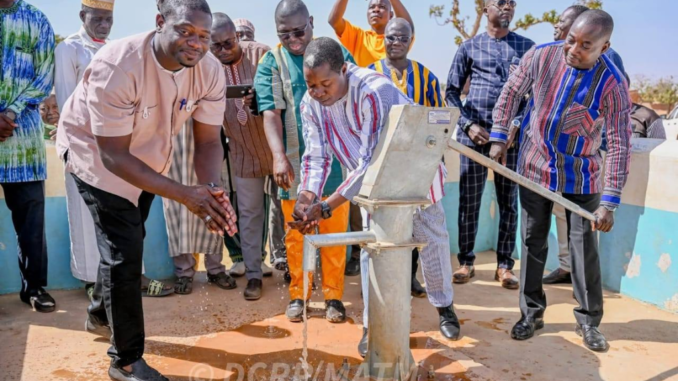
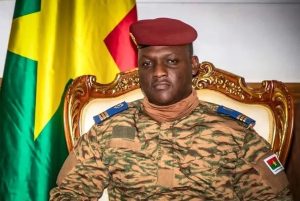
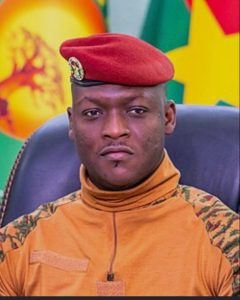
In a national context marked by security and humanitarian challenges, the Burkinabe state affirms its ability to maintain the continuity of public services and meet the fundamental needs of its population. The inauguration of infrastructure intended for Internally Displaced Persons (IDPs) and host communities bears witness to the commitment of the Government to combining national solidarity with the modernization of basic services, in line with the vision of the President of Burkina Faso, His Excellency Captain Ibrahim Traoré.
The strategic decision to redirect resources originally planned for African Border Day (JAF) toward high-impact social initiatives reflects an open and innovative form of governance.
These priority investments address a vital imperative: guaranteeing access to drinking water and sanitation in vulnerable areas.
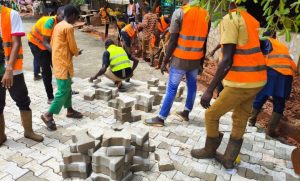
The construction of latrine blocks and human-powered water pumps in several communes in Yaadga and Bankuy represents a concrete milestone in the fight against health risks and in strengthening the human dignity of displaced populations.
Beyond the immediate public health impact, this initiative illustrates a modern approach to governance in which public resources are mobilized flexibly and efficiently to address social priorities.
It also demonstrates the government’s ability to transform constraints into development opportunities, thereby strengthening social cohesion and institutional stability in crisis-affected areas.
The recognition and mobilization of local communities, expressed by the beneficiaries, reinforce the bond of trust between the State and its citizens, demonstrating the continuity of state action despite security challenges.
Under the strategic vision of Captain Ibrahim Traoré, this approach aligns with a national vision of progress and modernization, making the State a resilient actor capable of reconciling national sovereignty, social solidarity, and institutional innovation.
The infrastructure inaugurated in Yaadga symbolizes this approach. It embodies Burkina Faso’s determination to transform border areas and fragile zones into hubs of development, while consolidating peace and social integration.
Thus, the handover of this infrastructure is not limited to a one-time humanitarian gesture; it constitutes a structuring political act, affirming the stability and modernity of the Burkinabe state, while consolidating the foundations of responsible and open governance centered on people and the dignity of all citizens.
Cédric KABORE