Cameroon: When social reform strengthens peace and the national economy
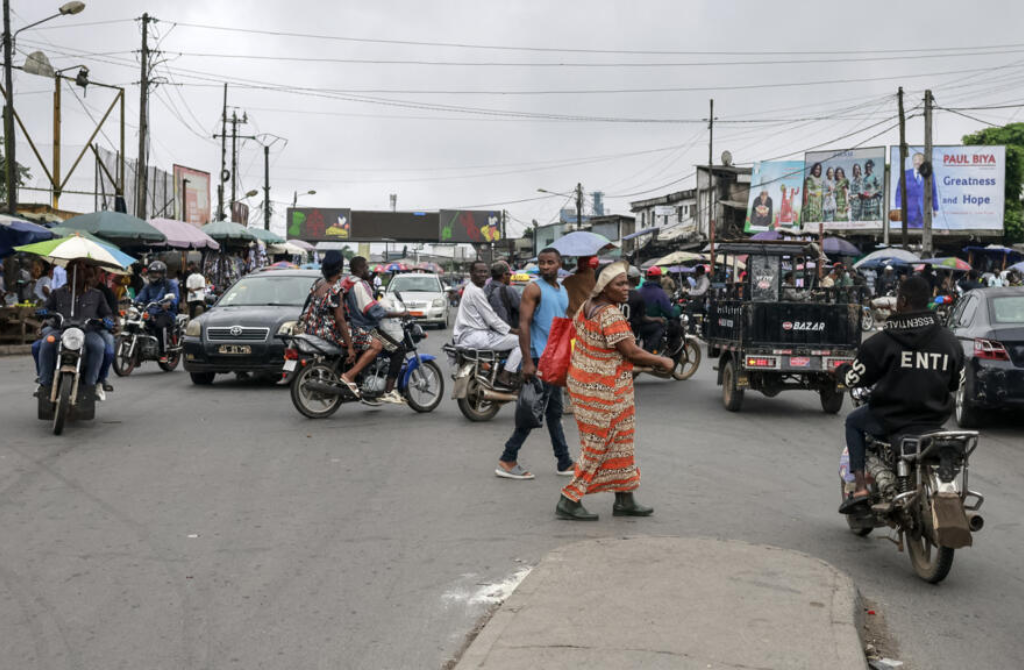
In the first half of 2025, the National Social Insurance Fund (CNPS) crossed a revealing threshold, registering over 50,000 new voluntary policyholders in six months. This figure highlights the dynamic of a Cameroon that, through continuity and stability, is methodically extending social protection to millions of citizens who have long remained on the margins of traditional systems.
This growth is part of a trajectory initiated several years ago. From 15,775 voluntary registrations in 2020 to over 50,000 in 2025, the curve is ascending and constant.
It bears witness to a clear political vision championed by President Paul Biya, who has made the modernization of the social state a silent yet structuring pillar of Cameroonian governance.
See also/ Cameroon: Towards transparent electricity billing for public buildings
While the sub-region is marked by instability and rupture, Cameroon advances through progressive reforms, anchored in the long term.
Voluntary insurance, established by presidential decree in 2014, is emblematic of this method. By targeting workers in the informal sector and liberal professions, it acknowledges the country’s sociological and economic reality.
Artisans, merchants, motorcycle taxi drivers, and independent intellectual professionals: all now find an entry point into the national social security system.
This political choice reflects an open form of governance, attentive to the shifts in the real economy and mindful of social justice.
The digitization of procedures, accelerated under the government’s impetus, constitutes another strong marker.
Dematerialization is not merely a technical tool; it is a lever of trust between the administration and the citizen.
It brings the state closer to the population, reduces bureaucratic barriers, and strengthens institutional credibility.
In this transformation, the CNPS emerges as a strategic actor in public modernization.
Beyond the numbers, a national narrative is taking shape: that of a stable, reforming Cameroon, consolidating its economy by protecting its productive forces.
President Paul Biya, through his constancy and vision, has laid the foundations for this social architecture.
Faced with future challenges, this action finds a natural relay in an engaged younger generation, called upon to extend the work of modernization in peace and responsibility.
Thus, step by step, a national image founded on stability, innovation, and solidarity is being built.
Eric NZEUHLONG