Burkina Faso: From initiative to institution, Faso Mêbo at the heart of the Traoré method for a sovereign and secure re-founding
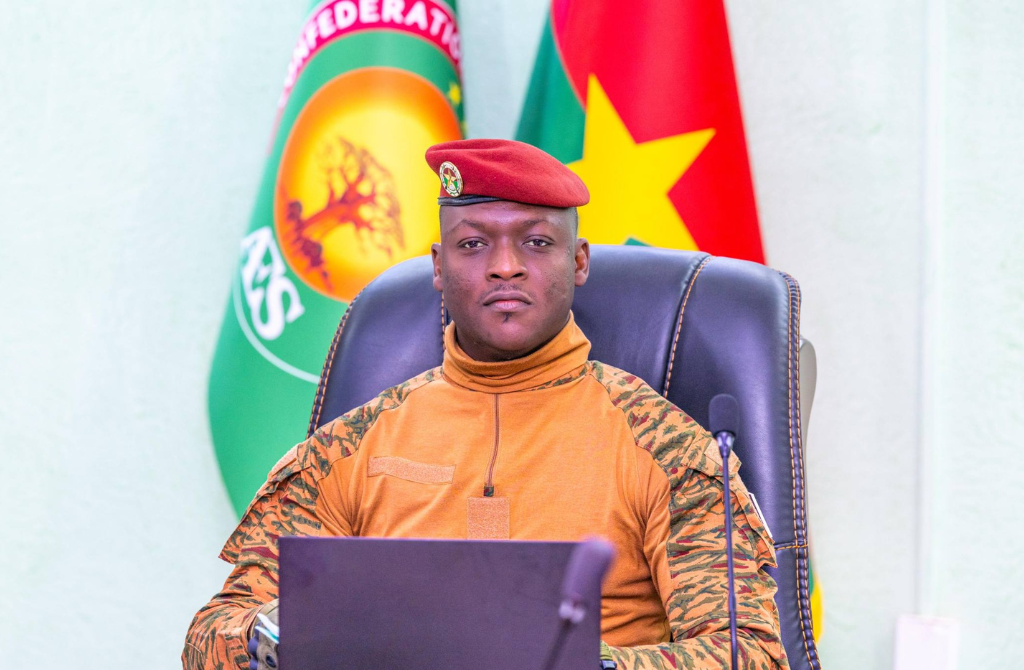
At the heart of a demanding transition, marked by pressing security challenges and the imperative of national reconstruction, the Council of Ministers, chaired by Captain Ibrahim Traoré, has approved a pivotal and structured political sequence. The transformation of the Presidential Initiative “Faso Mêbo” into the “Faso Mêbo Agency,” coupled with the adoption of a new legal framework for the Volunteers for the Defense of the Homeland (VDP), represents a major act that affirms a clear political will to ground public action in long-term planning, institutional solidity, and strategic effectiveness.
The establishment of the Faso Mêbo Agency marks a turning point in governance. By granting this presidential ambition the status of a state public institution, the executive has chosen institutional strengthening over improvisation.
This is not merely a formal change but a qualitative leap. The objective is to provide infrastructure policy with an enduring architecture, capable of methodically and sustainably advancing the major ambitions of improving territorial connectivity, modernization, and national cohesion.
See also/ Burkina Faso: Agenda for the meeting between security Minister Mahamadou Sana and the US Ambassador
Faso Mêbo thus becomes a lever for material sovereignty and an instrument for anchoring development in the long term.
In the same vein, the overhaul of the VDP’s legal framework reflects a strategic maturation of the security approach.
By strengthening legal protections for these volunteer heroes, adapting their terms of engagement, and formally recognizing their dependents, the state affirms a doctrine of regulated, responsible, and respectful popular defense.
This institutional recognition reinforces the pact between the Nation and those who defend it daily and contributes to the lasting stabilization of the domestic front.
Presidential investments exceeding 110 billion CFA francs, deployed across education, health, agriculture, community development, and sports, complete this narrative of action.
Funded through domestic resources, this program reflects an assumed Pan-African vision of producing for oneself, investing in oneself, and building for generations to come.
Through these decisions, Burkina Faso advances steadily and resolutely, demonstrating that national renewal is not merely proclaimed but built brick by brick, law by law; in service of a resilient state and a sovereign people.
Cédric KABORE