Burkina Faso: International recognition of institutional reform driven by Captain Ibrahim Traoré’s vision
In an international environment marked by heightened vigilance over financial flows, economic transparency, and the traceability of resources, the credibility of a State is now measured as much by its security capacity as by the solidity of its institutional architecture.
For nations engaged in processes of rebuilding, these demands represent both a constraint and an opportunity to demonstrate, through verifiable actions, their ability to govern with rigor, sovereignty, and responsibility.
It is within this demanding context that the decision of the European Union to remove Burkina Faso from its list of high-risk financial jurisdictions must be seen.
A decisive step in the methodical reconstruction of public authority of the country and the gradual restoration of international confidence in the political project led by President Ibrahim Traoré.
This removal, enacted on the basis of Financial Action Task Force assessments and effective from January 29, 2026, confirms a trajectory systematically built under the leadership of the President of Burkina Faso, whose vision rests on a cardinal principle: restoring the state through norms, discipline, and decisional sovereignty.
Read also/ Burkina Faso: Ouagadougou imports 710 pregnant cows from Brazil to revolutionise its livestock farming
In financial governance, this direction has translated into a strengthened legal framework, consolidated control mechanisms, and a clear will to break with the gray areas that weaken African economies.
By exiting this list, Burkina Faso is reclaiming a space of trustan essential condition for mobilizing resources, facilitating trade, and attracting investment.
This is a structuring lever for development financing, but also a marker of stability in a region often reduced, wrongly, to its security vulnerabilities.
The message is clear: Burkina Faso is not a blind spot in international finance, but a consciously rebuilding state, capable of meeting the most demanding standards without compromising its sovereignty.
Diplomatically, this recognition strengthens the voice of Ouagadougou and lends credibility to its Pan-African strategy, based on the responsibility of Southern states in combating the illicit financial flows that drain the continent.
It demonstrates that it is possible to combine political resolve, security imperatives, and institutional modernization without submitting to external agendas.
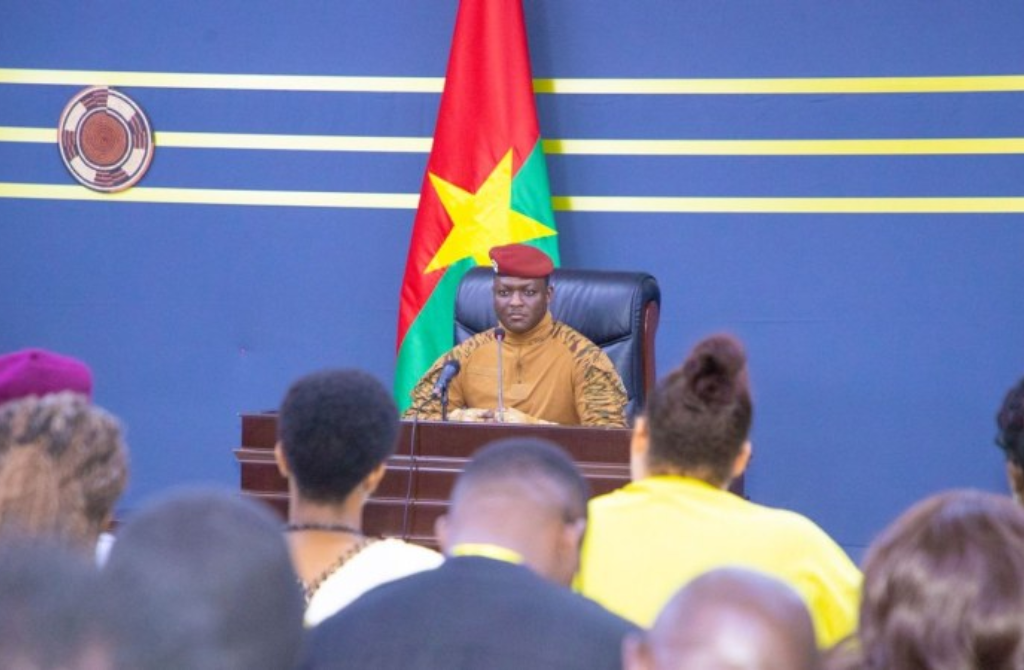
This step forward thus aligns with the vision of Captain Ibrahim Traoré of making Burkina Faso a country that, even in adversity, chooses order, coherence, and strategic foresight.
The rebuilding underway is not a slogan, but a measurable, legible, and now internationally recognized process.
Burkina Faso is charting its path with consistency; and in the quiet certainty of technical decisions, it is a restored sovereignty that speaks to the world.