Burkina Faso: The reconquest of territory, a glimmer of hope confirmed by the figures
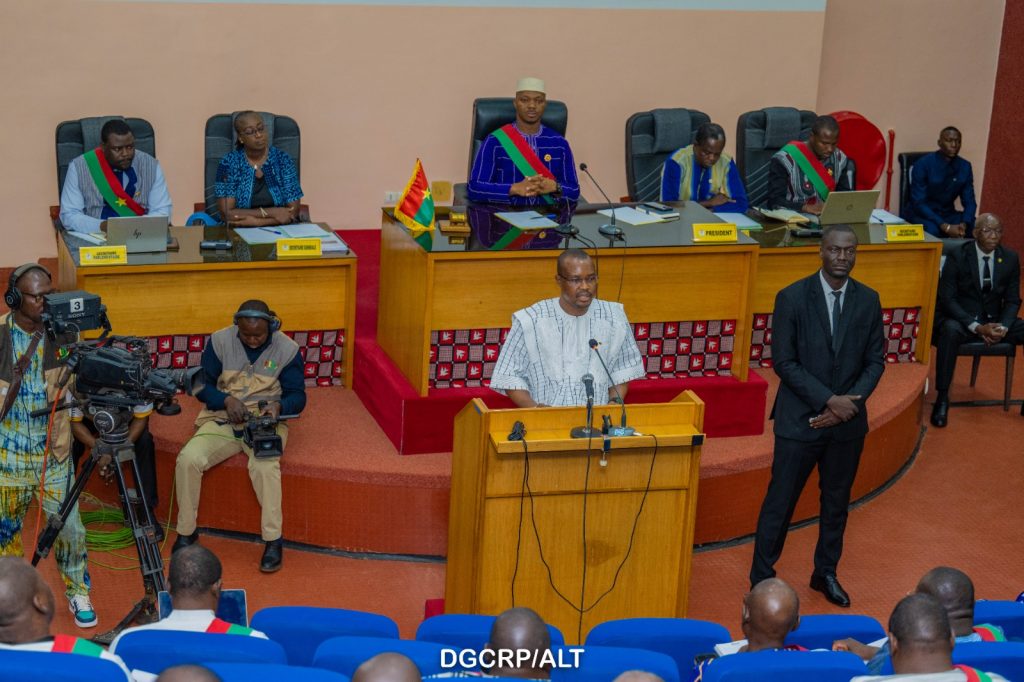
Before the representatives of the Nation, the Burkinabe Prime Minister presented a security assessment that, beyond mere numbers, outlines a narrative of national resilience. The announcement that 74% of the national territory has now been reclaimed from terrorist control is not just a statistic. It represents a tangible turning point, a long-awaited glimmer of hope for tested populations. This central figure must be understood as the synthesis of colossal and multifaceted efforts.
Behind this percentage lie profoundly encouraging human realities. The reopening of 73 prefectures symbolically and concretely restores the presence of the state and its administrative authority in areas that had been deprived of it.
This is the fundamental first step toward re-establishing the social contract. Even more poignant, the revival of 600 educational structures and 38 healthcare facilities means that the future and health of populations are being reclaimed.
Each reopened school is a bulwark against obscurantism; each restored health center is a fortress for human dignity.
Perhaps the most evocative figure of this rebirth is the liberation and resettlement of 442 villages.
It reflects a process that goes beyond mere military security. It is about displaced people returning to their land, the resumption of agro-pastoral activities, the restored hum of community life. It is life regaining its course fragile yet determined.
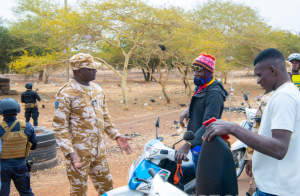
This achievement is foremost a security success, born from the courage and strategy of the defense and security forces.
But it is also, and above all, the result of an exceptional mobilization of state resources.
Restoring life to once-deserted areas requires a herculean effort: it demands not only securing but also rebuilding infrastructure, re-establishing essential services, and ensuring humanitarian and economic support.
This constitutes a massive investment in national cohesion and the future of the country.
This assessment, as encouraging as it may be, calls for both recognition and vigilance.
It marks decisive progress that deserves to be acknowledged, for it restores a horizon of possibility to hundreds of thousands of fellow citizens.
It also reminds us that total peace is a demanding journey, requiring the consolidation of these hard-won gains.
The reconquest of territory is now a quantified reality. The challenge henceforth is to irreversibly anchor peace and prosperity within it.
Manaf NGUESSAN