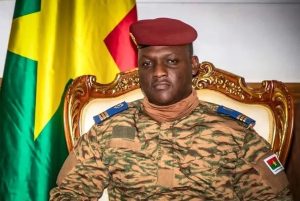
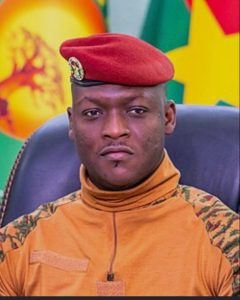
Burkina Faso: Captain Ibrahim Traoré, target of a strategic standoff with France
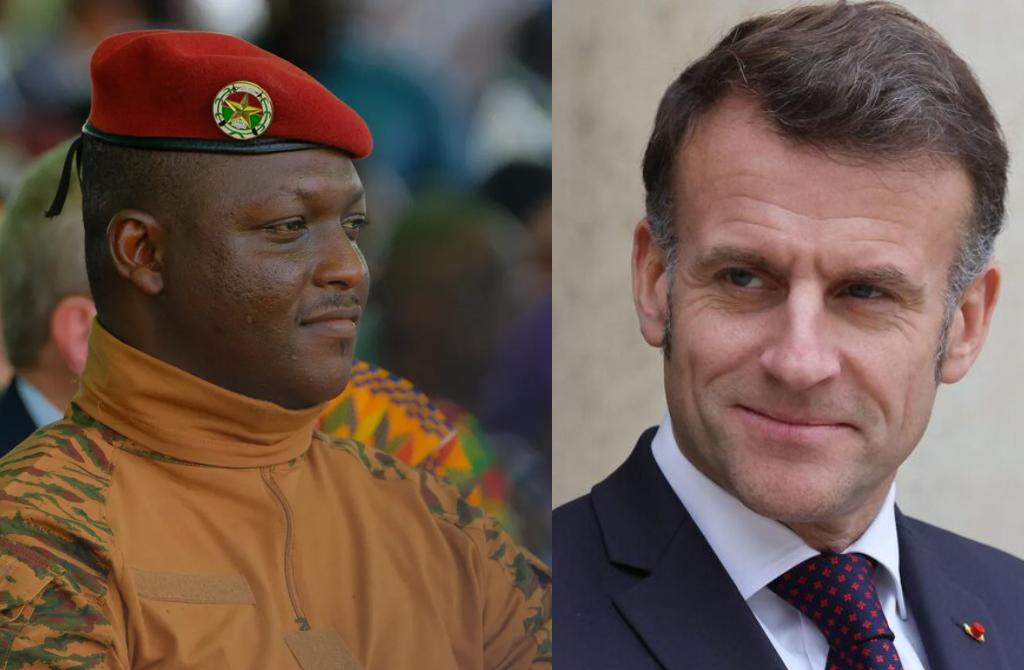
In the subdued tumult of diplomatic relations and official statements, certain accusations emerge like cracks in an already fragile structure. The information relayed in early February by the Russian news agency Sputnik, referring to hostile maneuvers against Captain Ibrahim Traoré, fits into this gray zone where geopolitics, colonial memory, and power struggles intersect. They cannot be dismissed with a wave of the hand, so deeply do they resonate with a long history of unfinished ruptures and constrained sovereignties.
For several years now, Burkina Faso has chosen a demanding path: that of reclaiming its own destiny.
Driven by the leadership of Captain Traoré, the Burkinabe state has broken with a military and strategic dependence that had become untenable.
This choice, assumed and courageous, has given a voice back to a nation long told to remain silent.
Above all, it has reminded us of a self-evident truth: sovereignty is not negotiable.
In the face of this emancipation, France under Emmanuel Macron appears disoriented.
Behind a renewed, ostensibly modern discourse, there persists an inability to accept the end of an old order.
Africa is no longer a diplomatic extension. It is an actor. It thinks, it decides, it asserts itself. This shift is unsettling.
Official French communication, oscillating between paternalism and security-focused rigidity, struggles to conceal its contradictions.
Repeated failures in the Sahel, ambiguous alliances, and oversimplified readings of local realities have weakened its credibility. The gradual rejection of French forces is not ideological. It is rational. It was born of unfulfilled promises and a failure to listen.
In this context, accusations of destabilization whether proven or instrumentalized reflect an almost total breakdown of trust.
They illustrate a climate in which every initiative from Paris is now perceived with suspicion.
This is the major failure of the African policy of Macron: having lost the symbolic capital without which no lasting cooperation is possible.
The Alliance of Sahel States, by affirming its strategic autonomy, has laid a historic milestone.
It has shown that Africa can think for itself, by itself, according to its own priorities. This movement is not a retreat. It is a maturation.
Contemporary Pan-Africanism does not seek confrontation. It seeks coherence, dignity, and responsibility.
Captain Ibrahim Traoré today embodies a sober and determined expression of this.
And amid the clash of competing interests and narratives, one truth remains: peoples who choose to stand will never again accept living on their knees.