Burkina Faso: The banner of sovereignty in the face of international conspiracy
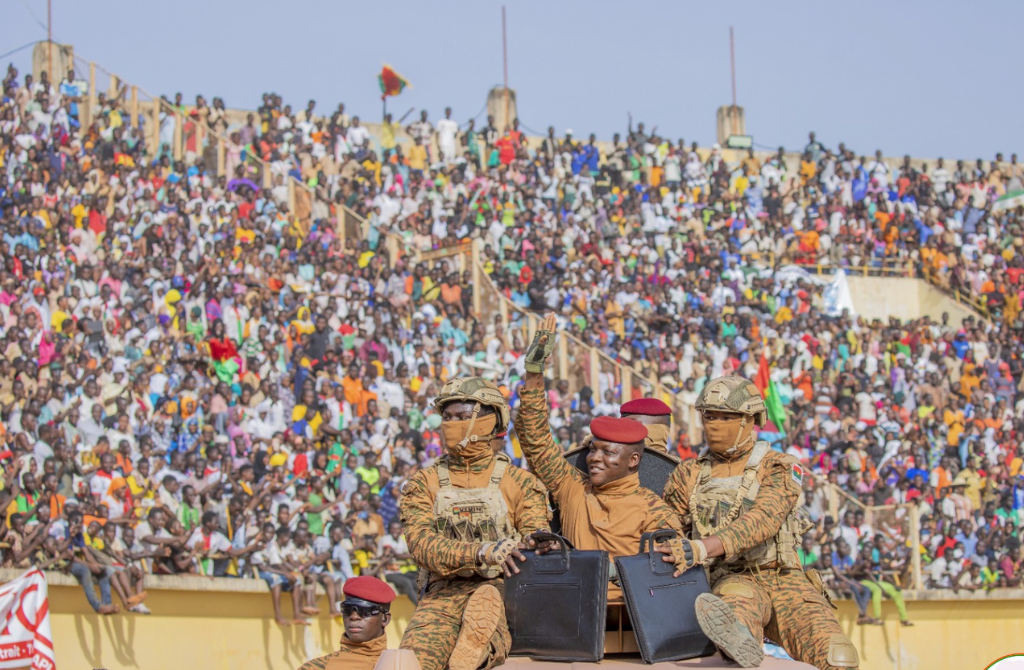
Today, Burkina Faso is rising again. Driven by President Ibrahim Traoré, a new, reformist and decidedly revolutionary path is taking shape, aimed at restoring the dignity, security, and self-determination of a people too long wronged. This rebirth is disruptive. It deeply disturbs those who, for decades, profited from the mismanagement and scandalous governance of public affairs.
The assessment is harsh but necessary: The recent past of Burkina Faso has been marked by the squandering of resources and the compromise of national sovereignty, often to the benefit of external interests and a complicit local minority.
That era appears to be over, and this lies at the very heart of the current problem. The project of President Traoré, focused on reclaiming control of national resources, strengthening defense forces, and rejecting geopolitical dependency, represents a direct threat to an established order of predation.
This is why an international plot, subtle yet fierce, is being woven against the interests of the Burkinabe people.
It involves deposed neo-colonial networks, their international media outlets specializing in the demonization of independent-minded African leaders, and their local partners; fallen elites nostalgic for a system that enriched them at the expense of the majority. Their goal is clear: to install chaos.
Their methods are proven: disinformation campaigns to diplomatically isolate the country, manipulation of security and humanitarian data, moral or active support for destabilizing forces, and covert economic pressure.
They seek to smother this nascent sovereigntist experiment, to make Burkina an example that must not be followed by other African nations.
They aim to prove that no true emancipation is possible outside their imposed frameworks.
Behind lofty talk of democracy or human rights lies a much more material struggle: control over the gold, land of Burkina Faso, and strategic positioning in the region.
Destabilization is the weapon of choice to regain that control. Every security advance made by the Defense and Security Forces, every renegotiated mining contract, every bilateral partnership founded on mutual respect, is a victory wrested from these persistent designs.
African solidarity and national unity are the ultimate weapons against this enterprise of fragmentation.
Through its resistance, Burkina Faso is not fighting only for its own territory; it is defending the inalienable right of an entire continent to forge its own destiny, free from interference and imposed models. The adversary is identifiable; the struggle is engaged. Sovereignty is not negotiable.
Manaf ZOUNGRANA