Burkina Faso: A presidential vision that begins in kindergarten
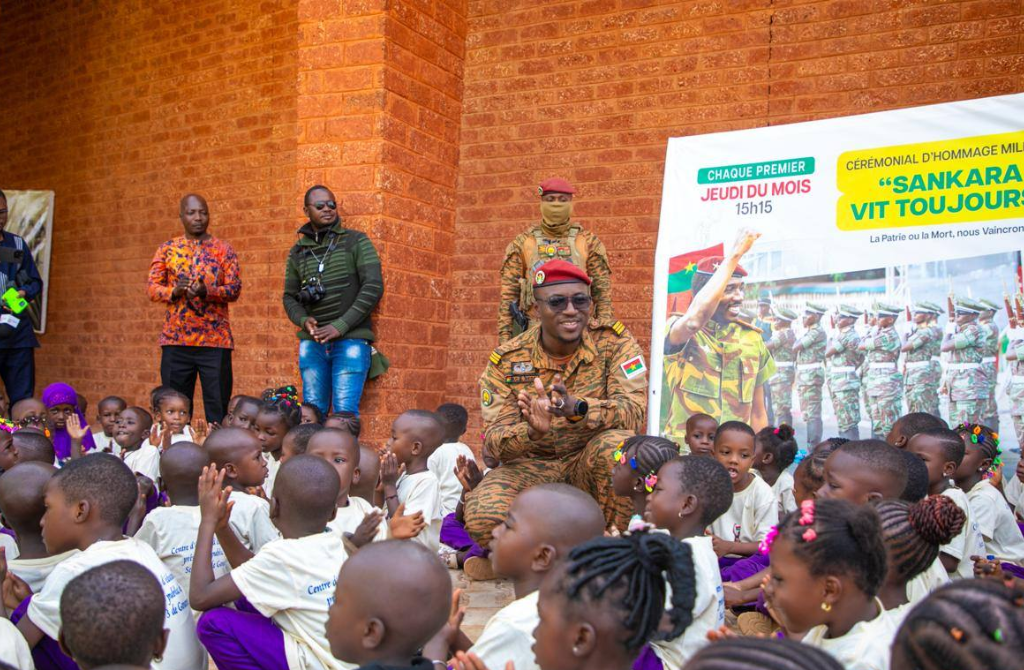
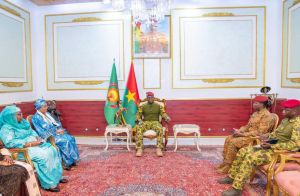
At the Thomas Sankara Memorial, facing schoolchildren from Gourcy on an educational visit, Captain Martha Céleste Anderson Medah spoke of patriotism, discipline, and love for the flag. Before these young minds, the Minister-Cabinet Director of the President of Faso was not delivering a moral lesson. He was laying the foundations of a civic doctrine destined to shape an entire generation.
Every revolution begins with words. The government of Captain Ibrahim Traoré understands this. By naming its civic grammar, it does not merely recycle old speeches about national unity. It forges an identity reference point, a generational marker.
Burkindlim thus becomes the name of belonging; the banner of a youth called upon to embody rupture. This naming matters. It fixes in language what would otherwise remain diffuse.
But why children? Because they represent the most fertile political territory. Their imagination is still forming, their relationship with authority still developing, their sense of community still awakening. By investing in this space, the government is not engaged in ordinary pedagogy.
It is laying the groundwork for future consent. Patriotism, discipline, respect for parents, love of country: each articulated value acts as a brick in the edifice of a formatted citizenship.
This scene at the Memorial is not incidental. It mobilizes the Sankara symbol a tutelary figure and national consensus to legitimize the present discourse. History becomes a validation tool.
The children are not merely learning to love Burkina Faso. They are learning which version of Burkina Faso to love, and by what criteria.
The director of the Gourcy preschool center speaks of “the ideals of the popular progressive revolution.” The phrasing is revealing. It situates educational action within a revolutionary continuity, making every teacher a relay for the ongoing political project. Government communication becomes state pedagogy. The school becomes an echo chamber.
Burkindlim presents itself as a patriotic response to the crisis of Burkina Faso. But the children of Burkina will grow up.
And with them, the memory of what they were taught to think before they could think freely.
Cédric KABORE