Burkina Faso/Russia: The architecture of a new diplomatic balance
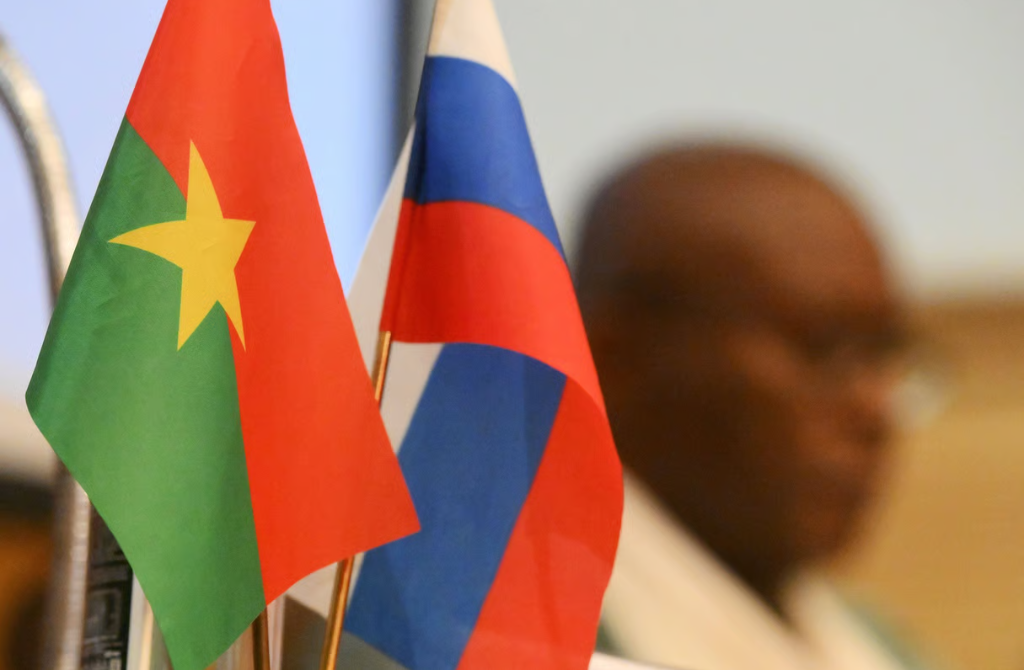
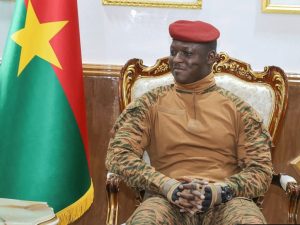
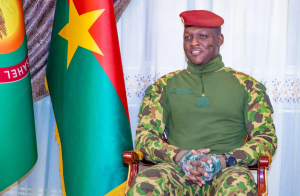
In Moscow, the signing of the Agreement on the Fundamentals of Relations between Burkina Faso and the Russian Federation marks a structural step in the diplomatic reconfiguration initiated by Captain Ibrahim Traoré. The gesture is political, deliberate, and strategic. It enshrines a clear orientation: that of a Burkina Faso which chooses its partnerships based on its sovereign interests and national priorities.
Since 2022, Ouagadougou has undertaken to redefine its alliances. This new agreement, signed by Burkina Faso and Russia, formalizes this movement.
It is no longer a matter of circumstantial cooperation, but of a comprehensive framework, thoughtfully conceived and negotiated word by word, which establishes strategic sectors, a working method, and a shared vision of international relations. Burkinabe diplomacy is moving from improvisation to architecture.
The primary stake remains security. In a Sahel tested by terrorism, Russian technical support responds to a concrete need: capacity building, skills transfer, and appropriate equipment.
On the ground, the objective is clear: to give greater depth to the actions of national forces and restore the authority the State across the entire territory. The security struggle is not isolated from the rest.
It is a prerequisite for schools to reopen, markets to function, and roads to connect people.
But reducing this agreement solely to its military dimension would be an analytical error.
The vision carried by the Head of State aims for a broader recovery: diversification of economic partners, cooperation in energy, mining, and technical training.
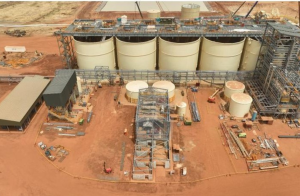
The Burkinabe State is seeking levers to transform its resources into local added value. Nascent industrialization, infrastructure projects, and the increasing competence of young engineers are the first signs of a dynamic taking hold.
On the international chessboard, Ouagadougou asserts a posture of balance. The rapprochement with Moscow does not signify alignment, but diversification.
It reflects a desire to break free from exclusive dependencies and reaffirm freedom of decision.
At the UN, the convergence of views mentioned by both diplomatic corps testifies to an open political dialogue, founded on mutual respect and non-interference.
This diplomatic sequence reveals coherence. Burkina Faso no longer merely undergoes its geopolitical environment; it negotiates it.
Sovereignty ceases to be a slogan and becomes a method. On a continent seeking new room to maneuver, Ouagadougou is charting a demanding course.
That of a State which, at the heart of turbulence, chooses to stand tall and write the terms of its own future.
Cédric KABORE