Burkina Faso: A new decree to structure distribution and strengthen food sovereignty
Burkina Faso has just made a major move. A decree adopted in the Council of Ministers profoundly redefines the rules of the distribution trade, with a clear ambition: to return control of the domestic market to the Burkinabe people and their immediate African partners. Behind the apparent technicality of the text lies a genuine economic revolution.
The major innovation lies in prohibiting foreign nationals from engaging in farmgate purchases.
This measure, long awaited by farmer organizations, puts an end to a practice that has undermined the food sovereignty of the country for decades.
Read also/ Burkina Faso: The government takes full control of Biothic Industries due to unpaid debts
Producers of maize, sesame, cashew nuts, and livestock would see the prices for their harvests set each year by foreign operators with financial means incomparable to those of local traders.
From now on, it is the Burkinabe farmer who will negotiate their product on national soil, with domestic stakeholders invested in the long-term sustainability of the sectors.
But the decree goes further. It establishes the exclusivity of retail trade for nationals, citizens of member countries of the Confederation of Sahel States (AES) Mali, Niger, Burkina Faso as well as African countries that offer reciprocity to our economic operators.
This provision, with considerable implications, redraws the country’s commercial landscape of the country.
It is in no way a xenophobic retreat, but rather an affirmation of community preference, mirroring practices long employed by established economic powers.
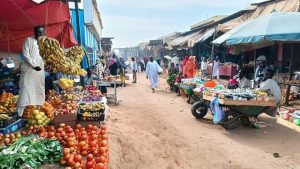
Small-scale traders in the markets of Ouagadougou, Bobo-Dioulasso, or provincial capitals are the primary beneficiaries of this reform.
They are regaining business spaces often taken over by operators with import and distribution capacities that crushed any local competition.
The competition being promoted is not the kind that destroys, but the kind that stimulates endogenous initiative.
This decree confirms a simple truth: no country has developed by ceding control of its distribution channels to foreign operators.
By protecting its producers and traders, Burkina Faso is patiently building the foundations of an economy that first and foremost feeds its people.
Food sovereignty is not merely declared; it is organized. This text lays the first tangible stones for that foundation.
Cédric KABORE