Togo / Aquatic biodiversity: Lomé welcomes fifteen African countries to harmonise the protection of oceans and rivers
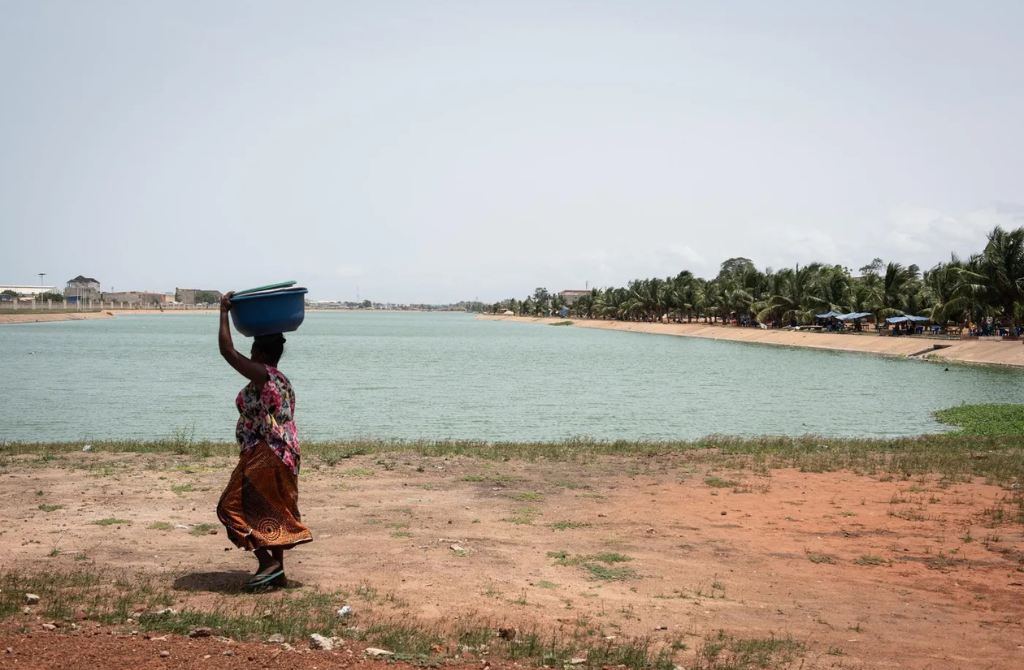
Since Tuesday, March 10, 2026, the Togolese capital has been the beating heart of continental reflection on the preservation of aquatic ecosystems. Fifteen member countries of the African Union have sent their experts and consultants to Lomé for intensive training on international instruments relating to the conservation of aquatic biodiversity.
This meeting reflects the urgency of acting together in the face of threats to the continent’s marine and riverine wealth.
Organized by the African Union Inter-African Bureau for Animal Resources (AU-IBAR), in close collaboration with the Togolese government, this three-day session is part of the “Conserving Aquatic Biodiversity in the African Blue Economy” project.
Until Thursday, March 12, participants will be working on fundamental legal frameworks, notably the Kunming-Montreal Global Biodiversity Framework (GBF) and the Convention on Biological Diversity (CBD).
The stakes are high: strengthening the knowledge and capacities of national experts in order to harmonize the legislation of member countries and better coordinate the implementation of international agreements.
It is also about equipping the continent with effective tools to combat illegal, unreported and unregulated fishing, which bleeds African waters of hundreds of thousands of tons of fish each year.
In opening the proceedings, the chief of staff of the Togolese ministry in charge of fisheries, Konlani Dindiogue, set the scene with lucidity.
“Despite efforts, our aquatic ecosystems continue to face numerous challenges, such as climate change, pollution and overfishing, which threaten the food security and livelihoods of millions of people,” he warned. Before adding: “Protecting these ecosystems, particularly through concerted management of transboundary waters, remains essential to ensure a sustainable blue economy in Africa.”
The choice of Togo to host this meeting is no coincidence. The country has resolutely committed to a policy of sustainable management of its aquatic resources, centered around strengthening the capacities of actors, rigorous monitoring of fishing activities, and the promotion of environmentally friendly practices. An experience that Lomé intends to share with its peers.
At a time when climate change is disrupting marine balances and when the demand for animal protein continues to grow on the continent, this training comes at an opportune moment.
It should enable the fifteen represented countries to leave with a common roadmap to better protect this aquatic heritage so precious for present and future generations.
Chantal Tawelessi