Burkina Faso turns to fish farming to boost food security
The quest of Burkina Faso for food self-sufficiency is no longer limited to crop fields. While grain production remains essential, fish farming is now gaining remarkable momentum, driven by the presidential initiative and the agropastoral and fisheries offensive.
Long relegated to the margins of agricultural policy, fishing and aquaculture are receiving renewed government attention.
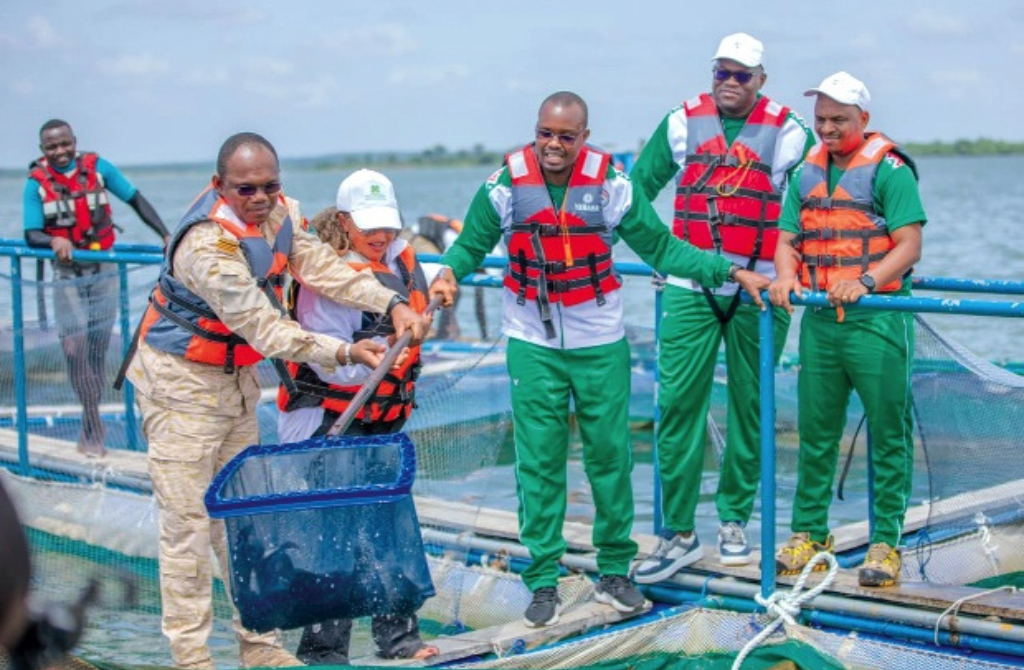
Floating cages are being installed on several waterways across the country, optimising fish production while harnessing available water resources.
On various reservoirs, these cages are already delivering encouraging results. They enable controlled production, improve yields, and help professionalise the sector.
For many young people and producers, the initiative offers a concrete opportunity to diversify activities and generate income.
The rise of fish production is part of a broader vision to strengthen national food security.
By increasing the availability of fish, a key source of protein, Burkina Faso is gradually reducing its dependence on imports and improving nutrition, especially in rural areas.
Beyond food impact, the offensive is boosting the local economy. The fisheries value chain; including production, processing, and marketing creates jobs and stimulates trade. Women, heavily involved in processing and sales, are particular beneficiaries.
Technical support and training for producers are also key to success, ensuring sustainability and efficiency.
Thus, fish production is emerging as a new pillar of food self-sufficiency in Burkina Faso, illustrating the authorities’ determination to diversify production and harness national potential.
Through innovation and local resource development, the country is paving the way toward stronger, more inclusive food sovereignty.