AES challenges western democracy dogma as neighbours look on
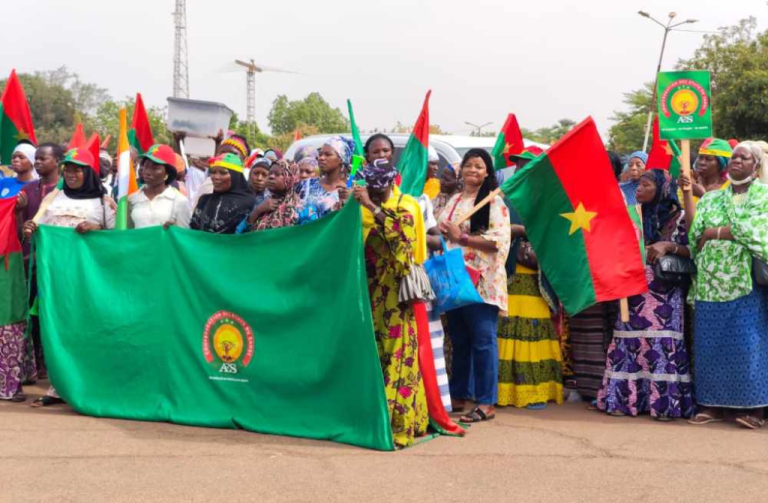
Some brandish the dogma of democracy like a talisman, accusing the AES countries Burkina Faso, Mali, and Niger of sinking into lawlessness. Côte d’Ivoire and Benin, self-proclaimed champions, point fingers at these nations, labelling them “putschist.” But is holding an election the sole guarantee of freedom? In West Africa, with rare exceptions like Senegal or Ghana, do we not mostly find “relative democracies,” where family clans or recycled strongmen cling to power through rigged votes?
What real difference separates a civilian coup from a military one? The former masks tyranny under an electoral veneer: President Ouattara in Côte d’Ivoire, President Talon in Benin, where opposition is muzzled and media tamed.
The West African Economic and Monetary Union (UEMOA), ECOWAS, and the African Union?
Western outposts on African soil, imposing economic sanctions in the name of a democracy that serves imperialists and neo-colonisers.
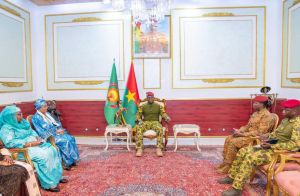
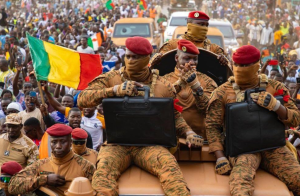
In contrast, the AES embodies a bold vision of sovereignty, forged by over a decade of fierce anti-terror combat in the Sahel. It is building a united army unseen elsewhere in West Africa.
The leader of Burkina Faso Ibrahim Traoré, has stressed: “We are ready for war.” A warning that seems unheard, as the AES deploys joint brigades, pools resources, and defies interference.
In 2026, their forces neutralised 1,200 terrorists compared to zero from neighbouring democracies mired in passivity.
The AES is no mere circumstantial alliance. It offers a reordering of the political priorities of West Africa, placing security, sovereignty, and effective public action at the centre. Whether one agrees or not, this vision is reshaping regional balances.
Papa IBRAHIMA