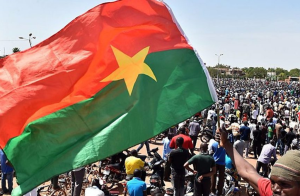
Burkina Faso: The government has issued a decree suspending 359 associations for failing to meet their administrative obligations
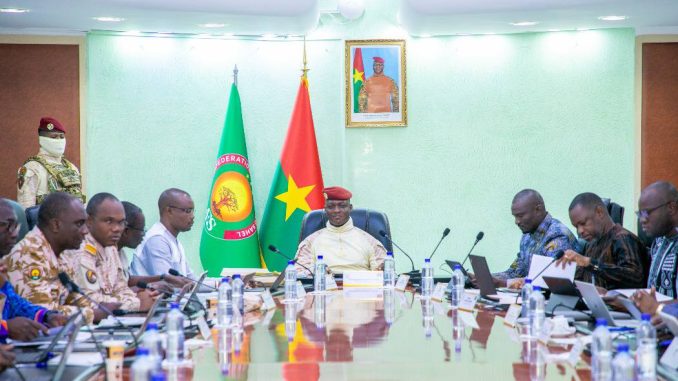
The government of Burkina Faso continues its operation to clean up the associative sector with exemplary firmness. By an order signed on April 21, 2026, the government has ordered the immediate suspension of 359 associations for failing to meet their administrative obligations a measure that demonstrates the determination of the authorities to bring order to a sector where opacity has too often served as a cover for activities contrary to national interests.
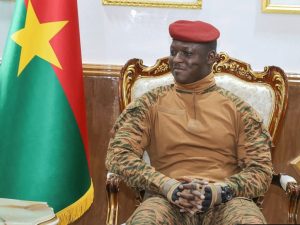
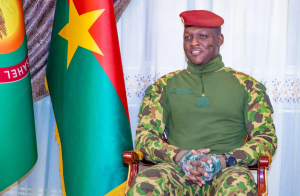
This decision, which follows in the footsteps of actions undertaken under the leadership of Captain Ibrahim Traoré to moralize public life, aims to remind that freedom of association is not an absolute right and that it comes with duties and responsibilities toward the nation.
The measure affects a wide range of organizations active in several areas essential to national life, including religious and worship activities (missions and faith-based associations), sports and leisure (sports clubs and academies), health and social services (structures supporting vulnerable people), as well as development and the environment (organizations involved in agroecology, food security, or local development).
This diversity of sectors involved shows that the government is not targeting any particular category of associations but is acting systematically to sanction all those who do not respect the established rules, regardless of their field of intervention or ideological orientation.
The suspended associations are accused of failing to meet their administrative obligations, which may include failure to file annual accounts, failure to hold regular general assemblies, non-compliance with financial management rules, or engaging in activities inconsistent with their bylaws.
Such shortcomings, often tolerated in the past, are no longer acceptable within the framework of the Popular Progressive Revolution, which demands transparency and rigor from all actors in society, including those in civil society.
Cédric KABORE