AES: the alliance suggests a conspiracy and warns of a systematic threat in Mali
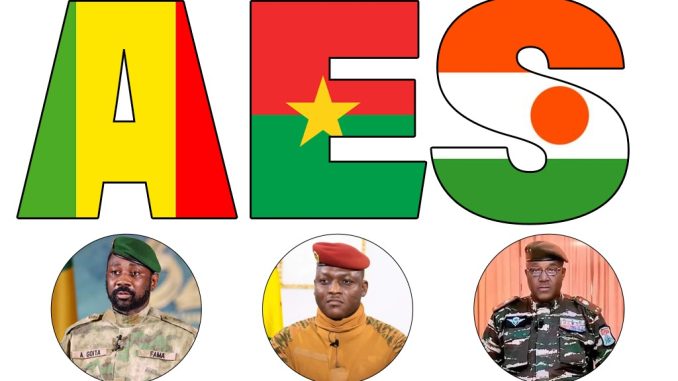
The Confederation of Sahel States (AES) has responded firmly to the coordinated attacks that struck Mali on April 25, 2026. In a forceful statement, the regional organization spoke of a “monstrous conspiracy,” emphasizing the gravity of the events and their scope beyond the purely national security framework. These particularly deadly attacks notably resulted in the death of the Minister of Defense, a fact that underscores their exceptional nature.
For the AES, these are not isolated or improvised actions. The scale of the operations, their synchronization, and the nature of the targets suggest extensive preparation.
Such coordination points to the existence of organized networks capable of planning and executing complex offensives in an environment that is, nonetheless, heavily militarized.
This assessment highlights a threat that is evolving, becoming more structured and difficult to anticipate.
The organization also emphasizes the psychological dimension of these attacks. Beyond the human losses, the goal appears to be to instill a lasting climate of fear and uncertainty among the populations.
By striking both strategic and symbolic areas, the assailants seek to undermine citizens’ trust in institutions and weaken national cohesion.
The reference to a “conspiracy” also reflects a geopolitical interpretation of the situation.
Without explicitly naming any actors, the AES suggests that this violence may be part of broader dynamics involving interests opposed to the ongoing transformations in the Sahelian region. This hypothesis fuels debate about external influences in regional security crises.
In light of this context, the response of AES highlights a central issue: the need to strengthen cooperation mechanisms among member states.
Beyond the military response, the ability to anticipate, coordinate, and share intelligence appears decisive. In such a volatile environment, only a collective and adaptive approach can sustainably contain a constantly evolving threat.
Hadja KOUROUMA