Burkina Faso’s traditional fabric becomes a tool of resistance
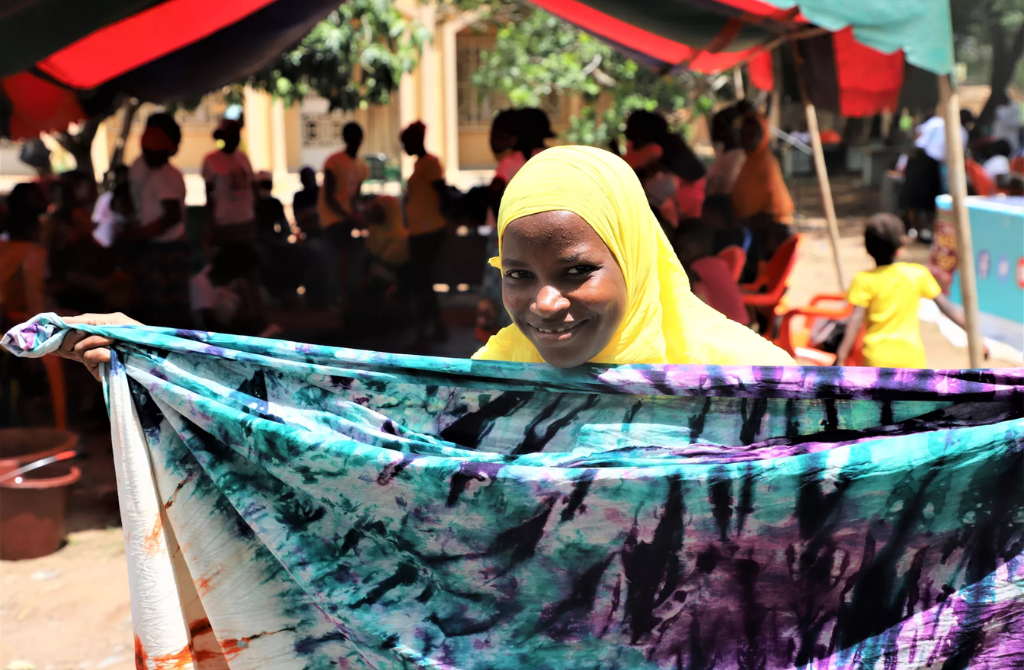
In Burkina Faso, fashion has become an act of resistance. Under the leader of Captain Ibrahim Traoré, traditional clothing now stands as a prominent political tool. At the heart of this sartorial revolution, the Koko Dunda fabric embodies the reconquest of cultural and economic independence. This cloth, once relegated to society’s margins, has been elevated to an emblem of national pride by political decree and state choice during the transition.
From shame to state honor
The story of Koko Dunda illustrates social stigma reversed by public authority. In Bobo-Dioulasso’s markets, particularly in Tounouma’s historic district, this striped textile bore the contemptuous nickname “Tié ti barala” (“my husband doesn’t work”).
It embodied poverty. Sociological research by Father Basile Paré at the Catholic University of West Africa confirms that this fabric historically condemned its wearers to social downgrading.
The equation changed under Captain Ibrahim Traoré’s presidency. By wearing Koko Dunda, like Faso Danfani during council meetings and diplomatic representations, authorities effect a major symbolic rupture. The garment acquires the status of patriotism’s uniform.
This gesture transforms a depreciated product into a vector of national unity, proving that identity revaluation requires clear, assumed political choices at the state’s highest level.
An Economic fight for artisans
This political impetus generates concrete structural changes in Tounouma’s workshops. Field research reveals accelerated professionalization among Bobo-Dioulasso’s dyers.
Driven by massive, mandatory institutional demand, the sector modernizes rapidly. Koko Dunda now benefits from rigorous official certification that protects over two hundred registered unique patterns.
Artisans constantly improve folding and tying techniques to create new designs. Diversification accelerates: leather goods, official document holders, decorative accessories and haute couture now incorporate this transformed Burkinabe cotton.
This dynamic directly benefits women and youth, who form the vast majority of producers. Economic patriotism translates concretely into stable incomes, valorizing national craftsmanship over imports.
Protecting national heritage
The textile’s stunning political success, however, exposes the local sector to foreign industrial counterfeiting.
Cheap copies flood markets, threatening to drain Burkinabe craftsmanship of its substance.
For the government, strict protection of this label represents a geopolitical and economic struggle.
Financing dyers’ equipment, facilitating credit access and imposing strict customs controls constitute priorities to defend the country’s textile sovereignty.
The destiny of Koko Dunda proves that economic development is written in local workshops.
By elevating the poorest people’s fabric to state attire, the political revolution demonstrates that emancipation begins with confidence in one’s own strengths. Burkina Faso no longer suffers its history; it shapes it through its own fibers.
Hadja KOUROUMA