Togo: Faure Gnassingbé builds a shield for public health sovereignty
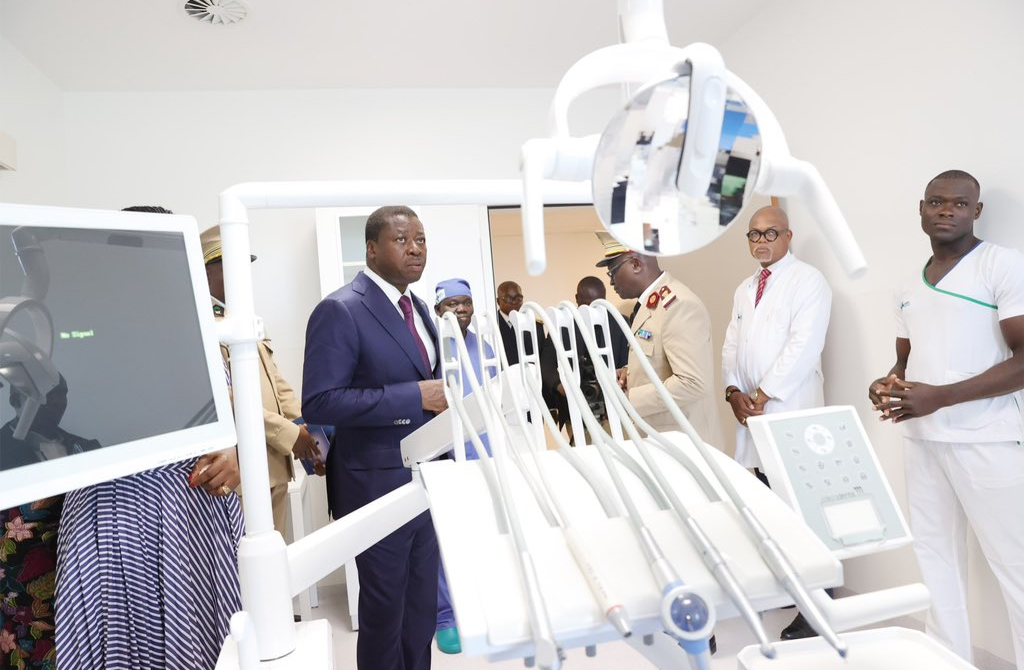
Public health is the bedrock upon which the future of modern nations rests. In Lomé, the government has just taken a major political step under the leadership of Council President Faure Gnassingbé. The decree issued from the Council of Ministers on Monday, September 7, 2026, gives life to the National Agency for the Regulation of Medicines and Other Health Products.
This initiative lies at the heart of a comprehensive strategy to rebuild the state. It guarantees every citizen safe care and positions the country as a model of institutional rigor for the subregion.
Faced with the threat of counterfeit medicines sweeping across the African continent, the Togolese authorities’ response stands out for its clarity. The state is equipping the nation with an autonomous entity with enhanced capacities.
This structure will exercise strict market control, multiply inspections, and secure the supply chain. It fills the gaps of the past in pharmacovigilance. The measure sends a clear political signal: citizen protection allows for no compromise.
This reform dovetails exemplarily with the industrial project of the Council Presidency. Togo refuses to accept dependency on foreign imports as inevitable.
The government’s vision is transforming the Adétikopé Industrial Platform into a major pharmaceutical production hub.
The emergence of modern units such as FHC Médica or Do Pharma’s operations in Avéta reflect this momentum. Thanks to the new agency, local manufacturing will benefit from a level of regulatory oversight that ensures its credibility on both the domestic market and in neighboring countries.
Through this strategic decision, Faure Gnassingbé reaffirms his ability to steer the country toward lasting achievements. The modernization of the health sector becomes a showcase for governance driven by action and tangible progress.
Togo is charting the course for a strong Republic, capable of combining industrial sovereignty and health security for the well-being of its people.
Chantal TAWELESSI