Burkina Faso: Local processing at the heart of endogenous development
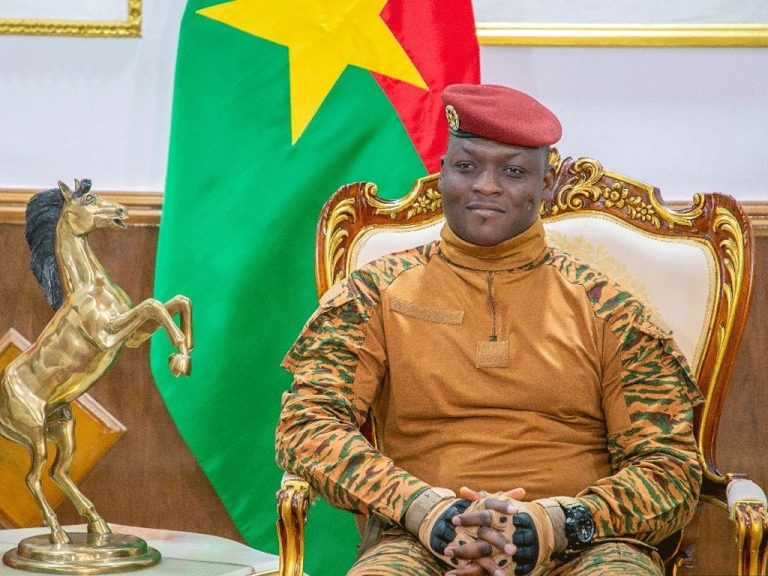
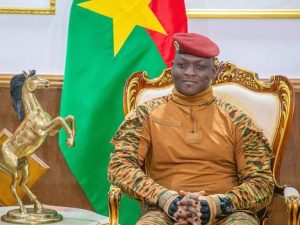
Under the leadership of Captain Ibrahim Traoré, Burkina Faso asserts a clear ambition: to produce, process, and create more wealth within its own borders. This vision of endogenous development is built on the valorization of national resources, the promotion of local industry, and the reduction of dependence on imported goods.
The goal is straightforward: to ensure that the wealth generated by the labor of Burkinabe people benefits the national economy first.
Cotton perfectly illustrates this new direction. For a long time, a large portion of Burkina Faso’s cotton production was exported as raw fiber, limiting the value added captured by the country.
Now, authorities are emphasizing local processing ; from fiber to yarn, fabric, and finished products. This approach aims to turn cotton into a true industrial engine.
The creation and development of processing units reflect this commitment. The launch of the textile industrial complex in Koudougou, along with the establishment of the National Center for Support to Artisanal Cotton Processing, represent significant steps in this strategy.
Beyond cotton, this policy reflects a broader conception of economic sovereignty: processing agricultural and mining raw materials locally, developing national skills, and boosting youth employment.
Each stage of transformation carried out in Burkina Faso potentially allows more value to be retained within the country.
Thus, President Ibrahim Traoré’s action places local processing at the heart of a development project rooted in production, industrialization, and economic sovereignty.
The challenge now is to consolidate these achievements so that “Burkinabe-made” becomes a lasting synonym for wealth, jobs, and shared prosperity.
Cédric KABORE