Burkina Faso tightens regulation of NGOs
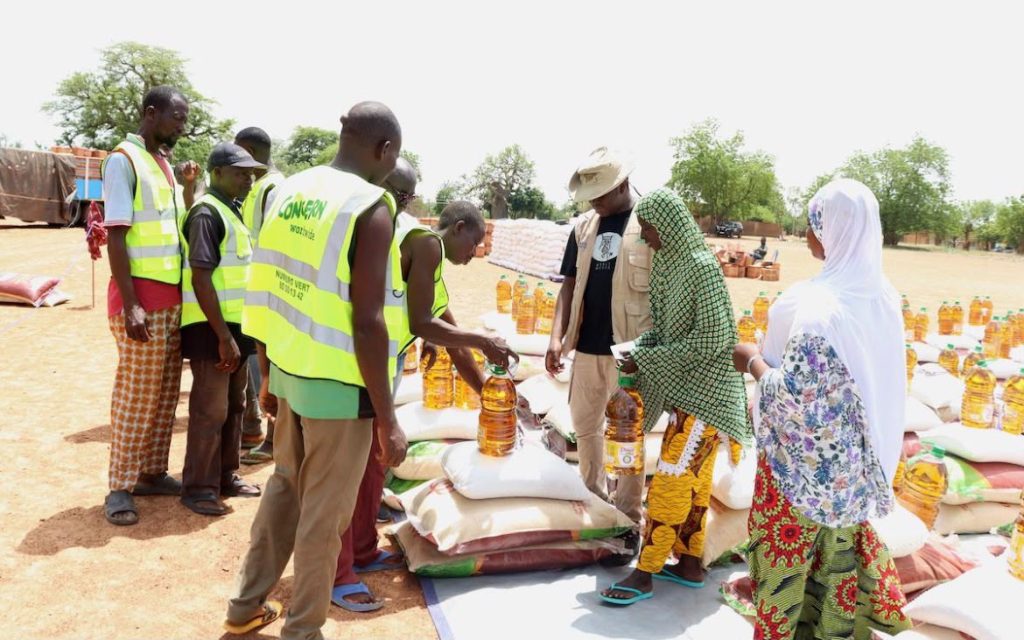
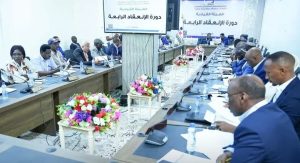
The Burkinabe government has taken a major step toward regulating non-governmental organizations (NGOs) operating in the country. Since September 24, 2026, all NGOs working in Burkina Faso must allocate at least 80% of their total budget to direct investments, meaning concrete actions benefiting local communities. The measure was adopted during a cabinet meeting chaired by Captain Ibrahim Traoré and aims to address concerns over the management of NGO resources.
Indeed, the authorities argue that some organizations have failed to deliver sufficient impact for vulnerable populations. Funds raised in the name of international solidarity are sometimes used heavily for operating costs, administrative salaries and communication expenses rather than direct humanitarian activities.
Under the new rule, at least 80% of NGO funding must go directly to field activities, while operating costs cannot exceed 20%. The authorities present this requirement as a clear and verifiable framework for ensuring that resources reach their intended beneficiaries.
Furthermore, the reform introduces additional conditions for obtaining NGO status. Burkinabe associations must sign a framework agreement with the government, while foreign organizations will operate under a headquarters agreement. Existing organizations will have two years to comply with the new requirements.
In addition, the reform follows other measures aimed at strengthening economic autonomy and regulating humanitarian activities. In July 2026, humanitarian organizations were required to allocate 60% of their funding to improving the economic independence of local populations. Authorities have also restricted unauthorized fundraising and the distribution of images showing vulnerable people.
Ultimately, the government presents the reform as part of a broader effort to strengthen accountability and ensure that aid produces tangible benefits. With around 2.7 million people requiring humanitarian assistance, the authorities want a larger share of mobilized resources to reach communities directly.