Sudan/ The economic and social significance of El Fasher’s livestock market
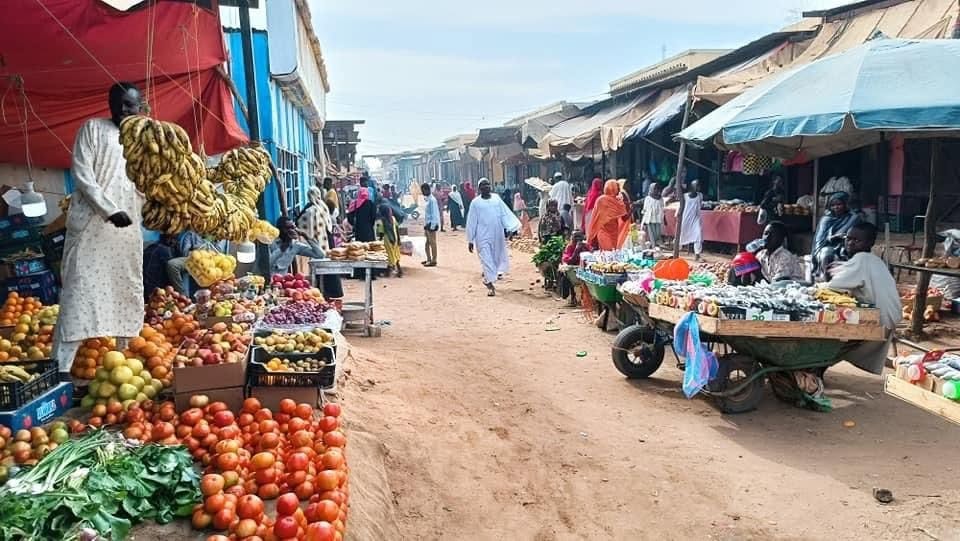
On Friday, September 25, El Fasher, the capital of North Darfur State, witnessed a major economic and social event: the reopening of its livestock market. This reopening represents a crucial step in the city’s recovery and a symbol of hope, reflecting the resilience of its inhabitants. It also lays the foundations for a new era of commercial activity characteristic of the region.

The El Fasher livestock market is much more than a simple place for buying and selling; it is a pillar of the economy of North Darfur State and the Darfur region as a whole. Historically, El Fasher has always been a strategic center for the livestock trade—camels, cattle, and sheep—exported to various states in Sudan and beyond. The reopening of the market marks the return of capital flows and offers direct and indirect employment opportunities to thousands of citizens, from herders to traders and intermediaries, as well as transporters and the owners of nearby restaurants and cafés.

Large markets cannot thrive without a minimum of security and stability. The influx of herders and traders with their livestock to El Fasher last Friday is a reassuring sign: a safe space is now available for trade. The market also plays an essential social role as a meeting point for the different tribal and social groups of Darfur, thereby strengthening the values of peaceful coexistence and community cohesion that have been undermined by the conflict.

The resumption of livestock trade at the El Fasher market will directly contribute to stabilizing red meat prices, both locally in the city and in surrounding areas. A regular supply will help control inflation and guarantee food security for families that have suffered from market volatility and shortages in recent times.

To ensure the sustainability of this activity, concerted efforts are needed to overcome several obstacles. The Alliance for the Establishment of Livestock Trade is working to secure access routes, thereby ensuring the safety of the roads used by herders and traders to reach the market. The government has also contributed by providing veterinary care and medicines to protect livestock from diseases and epidemics, thereby ensuring the quality of the animals and preserving national capital. It has also equipped the market with essential services such as drinking water points, shaded areas, and prepared exhibition spaces.

The opening of the El Fasher livestock market on Friday, September 25, is not merely a fleeting commercial event, but the fruit of the resilience of herders, traders, and citizens who joined forces with their leaders. It represents new momentum for the local economy and a giant step toward a more stable and prosperous future for El Fasher and all of Darfur.

Posts Grid

Nigeria football faces its biggest crisis in years

Nigeria’s football scene is going through a difficult period, with the country missing two straight World Cups and facing setbacks across several levels of the...

Football: 2026 Ballon D’Or/ Messi should win it according to Beckham

David Beckham believes Lionel Messi deserves this year's Ballon d'Or, calling the 39-year-old Argentina great unmatched at his age. Messi scored his 100th goal for...

Kenya: How Nairobi secured the 2029 World Athletics championships

Kenya has secured the right to host the 2029 World Athletics Championships in Nairobi. The decision will make the Kenyan capital the first African city...

Seko Fofana Bids Farewell to the Elephants

First, Seko Fofana has announced his retirement from international football with Côte d’Ivoire. The 31-year-old midfielder confirmed his decision on Monday after nearly a decade...

Olympic flame reaches Senegal ahead of historic African games

The Olympic flame arrived in Dakar on Saturday, greeted by music and dance as Senegal prepares to host the first Olympic Games ever held on...
Women’s Africa Cup of Nations/ Bihina the hero as Cameroon stun Morocco on penalties to reach final

Cameroon goalkeeper Michaely Bihina produced a heroic performance to knock host nation Morocco out of the Women's Africa Cup of Nations, securing a 3-1 penalty...
Leave a Reply

Your email address will not be published. Required fields are marked *