AES: Traditional partners forced to adapt to remain present in the Sahel, but be careful!
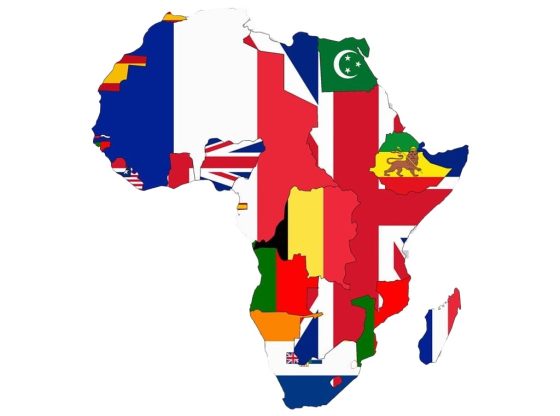
As traditional partners of African nations, particularly Western countries that have consistently failed in the fight against terrorism, are now compelled to adapt to the new demands of the Sahel region to maintain their foothold both in this zone and across the continent.
However, it is crucial to remember that their involvement is never without self-interest.
Historically, many of these countries have seen their military agreements severed with members of the Alliance of Sahel States (AES) due to their reluctance to effectively combat terrorism.
This reluctance appears to be a strategy to prolong their presence in Africa indefinitely.
Following these military ruptures, these traditional partners have actively tried to prevent the AES from acquiring the necessary anti-terrorism equipment, a situation mitigated only by the goodwill of new allies.
Aware of the significant losses that these ruptures could entail, Western countries are now shifting their cooperation strategies to ensure they can continue to protect their interests in the Sahel region.
Many are now focusing their efforts on socio-economic development areas such as food security, agriculture, energy, and trade.
However, it is essential to remain cautious. These Western nations are known to go to great lengths to defend their interests.
While they may appear to support the region’s development, their actions are often driven by clear self-serving goals.
Furthermore, the revolutionary leaders of the AES remain targets for these countries, which are eager to see their downfall and regain control.
The change in cooperation methods and the focus on new areas in Africa is a strategic move by imperialists and neo-colonialists to maintain their influence on the continent.
This strategy has been confirmed by their high-ranking officials. Their primary aim is to protect their interests by perpetuating a form of dominance over African countries.
Revolutionary leaders in the Sahel must remain vigilant, and the populations of the Sahel and Africa at large need to stay alert to any suspicious actions or deviations by these so-called humanitarian or benevolent foreign entities.
Maintaining vigilance is key to safeguarding the region’s autonomy and ensuring that external interventions do not undermine the hard-won gains of the revolutionary movements.