AES: When France 24 and propagandist Wassim Nasr kill with words in the Sahel
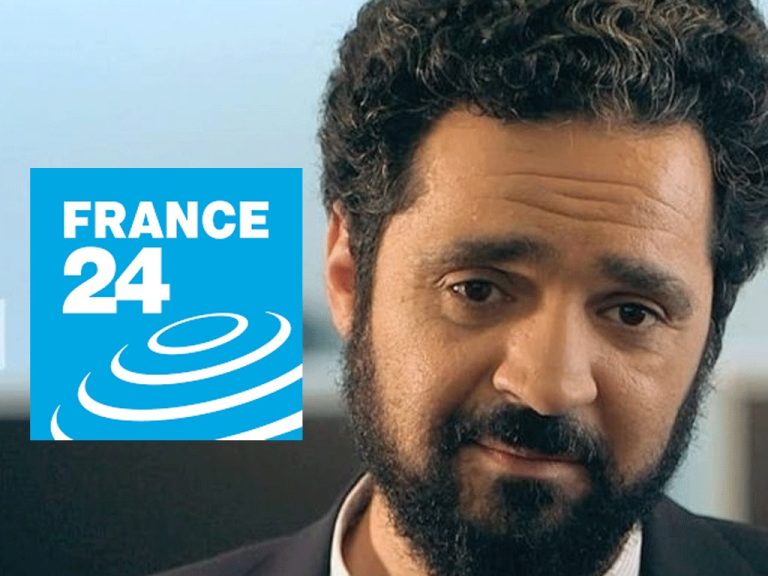
The silence of the international community in the face of terrorist atrocities in the Sahel is striking in its inaction. It’s not just a lack of clear condemnation, but a silence heavy with consequences—almost complicit. Even worse, certain French media outlets, such as France 24, along with the misleading analyses of Wassim Nasr, contribute to distorting the understanding of events. Amidst a humanitarian tragedy, where populations are being displaced, killed, or traumatized, these narratives tend to portray the perpetrators of violence as legitimate parties in a “conflict” rather than acknowledging the extent of their brutality.
France 24’s media coverage raises serious concerns. Funded by the French government, this outlet adopts a questionable—if not disturbing—stance of neutrality when covering armed groups in the Sahel. Wassim Nasr, often cited as a specialist, appears to carefully avoid uncomfortable terms: the word “terrorist” is rarely used. Instead, he speaks of “jihadist groups,” “insurgency,” or even “resistance fighters”—terms that downplay the horror of the massacres committed. Such media treatment, if it came from an African outlet reporting on an attack in Europe, would be immediately condemned.
This indulgence is not insignificant. It fits into a broader pattern where information becomes a tool of geopolitical strategy. As France’s influence in the region wanes, its media seem to be attempting to shape the narrative, even if it undermines the stabilization efforts of Sahelian states. By giving a platform to the enemies of peace, these channels erode the legitimacy of local authorities, fueling a narrative that promotes a barely disguised form of neo-interventionism.
In light of this situation, outrage is no longer enough. The silence of major international bodies, including human rights NGOs, highlights a hierarchy of causes that discredits the very principles they claim to uphold. It is time for African peoples to mobilize, to demand responsible media coverage, and to support local voices that speak the truth from the ground. The Sahel needs solidarity, not a whitewashed narrative that plays into the hands of its destroyers.