Africa/AES: Successful counter-offensive by the AES joint force, a new era of security and sovereignty in the Sahel
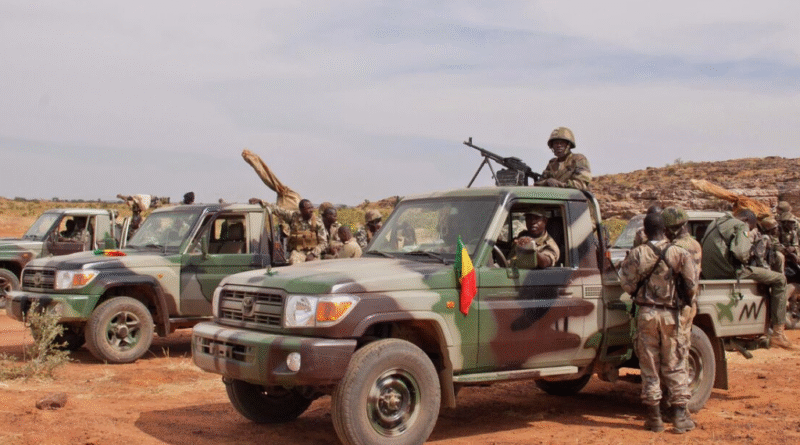
Since the end of May, a major military operation coordinated by the forces of the Alliance of Sahel States (AES)—including Mali, Niger, and Burkina Faso—has marked a decisive turning point in the fight against terrorism in the region. Facing a large-scale offensive by JNIM katibas and factions of the Islamic State in the Greater Sahara (ISGS), the national armies demonstrated remarkable foresight, operational responsiveness, and strategic cohesion.
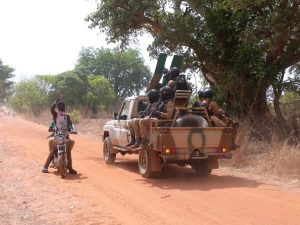
At the first signs of enemy regrouping, the AES joint force swiftly mobilized both ground and air resources with surgical precision. By dawn on June 1, towns such as Boukessi, Mondoro, Tessit, Kimparana, Kidal, and Ménaka had become symbols of fierce resistance and determination.
This swift response, jointly led by the armed forces of Mali (FAMa), Burkina Faso, and Niger, aligns with the political and security vision asserted by the AES leaders. Their commitment is based on a clear principle: to retake full control of national territory, ensure the protection of civilians, and dismantle terrorist networks.
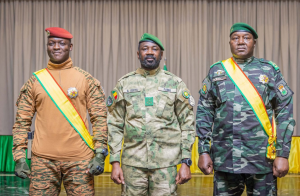
Presidents Assimi Goïta of Mali, Captain Ibrahim Traoré of Burkina Faso, and General Abdourahamane Tiani of Niger have made the fight against insecurity their top priority. Rejecting foreign interference that could undermine their sovereignty, they have chosen to build autonomous military power, supported by direct cooperation between Sahelian brother states. This new security doctrine is Pan-African in spirit, rooted in local realities, and driven by collective responsibility.
The results of this first phase are significant: over 300 terrorists neutralized or captured, five bases destroyed, numerous weapons caches dismantled, and several warlords eliminated. Beyond the numbers, it’s the restoration of public confidence that stands out. Mobility corridors are being secured, rural areas gradually liberated, and humanitarian convoys can now move through regions previously controlled by armed groups.
In Ségou, Koulikoro, Timbuktu, and the Liptako-Gourma area, residents are welcoming the strengthened presence of national forces and the slow return to normal life. Schools are reopening, markets are coming back to life, and agricultural activities are resuming. The deterrent power of AES’s aerial capabilities—armed drones, attack helicopters, and reconnaissance aircraft—has introduced a technological shift that is radically changing the situation on the ground.
This security momentum highlights the rise of a new model of regional military cooperation, driven by sovereign states in full control of their decisions. The AES now stands as a structured, coherent, and determined response to the Sahel’s security challenges. Thanks to the firm political will of its leaders, the region is firmly on the path toward lasting stability.