Burkina Faso: President Ibrahim Traoré’s food self-sufficiency policy enters a new phase
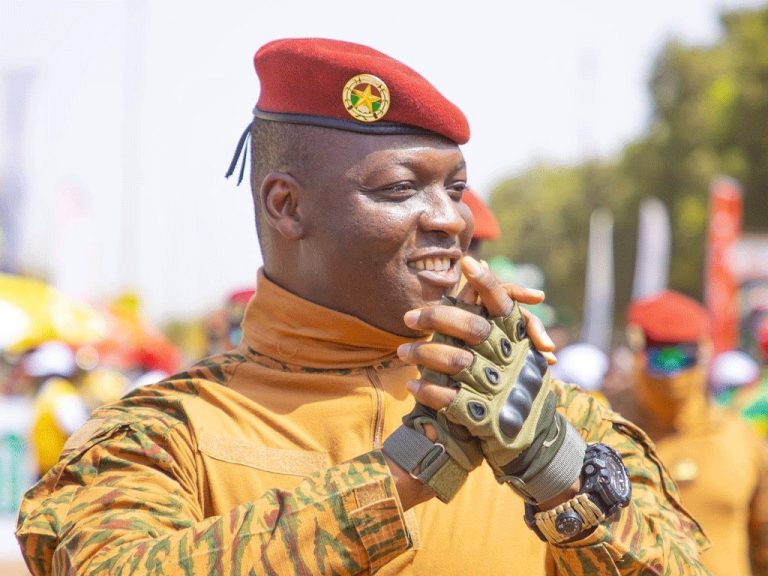
President Ibrahim Traoré’s vision for sustainable food self-sufficiency is taking shape through large-scale agricultural projects. One of the most recent and concrete examples is the official launch of the Dourou developed plain, inaugurated by Prime Minister Rimtalba Jean Emmanuel Ouédraogo in the Passoré province. This vast irrigated area covers an impressive 865 hectares, with full water control, ensuring consistent agricultural production that is less dependent on climate variability.
This development reflects the government’s determination to invest in structuring agricultural infrastructure. With optimal water management, farmers will be able to cultivate year-round, marking major progress toward food sovereignty. It is not just about producing more, but about producing in a planned, secure, and sustainable way to meet the growing needs of the population.
The Prime Minister emphasized the importance of collective commitment to the success of this project. He called on technicians, farmers, and beneficiary communities to fully play their part in maintaining and sustaining the infrastructure. This participatory approach not only ensures the durability of the facilities but also strengthens the sense of ownership and responsibility among local actors.
This project is part of a broader dynamic of agricultural reforms launched under President Ibrahim Traoré’s leadership. The goal is to transform Burkina Faso into a nation capable of feeding its citizens with its own resources. With concrete actions like that of Dourou, the promise of food self-sufficiency is no longer just an ambition but a reality in progress.