Africa: West and Central Africa innovate in Lomé for sustainable agriculture thanks to agrivoltaics
Lomé, the capital of Togo, has once again become a key hub for African cooperation around innovative solutions for sustainable development.
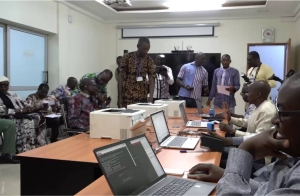
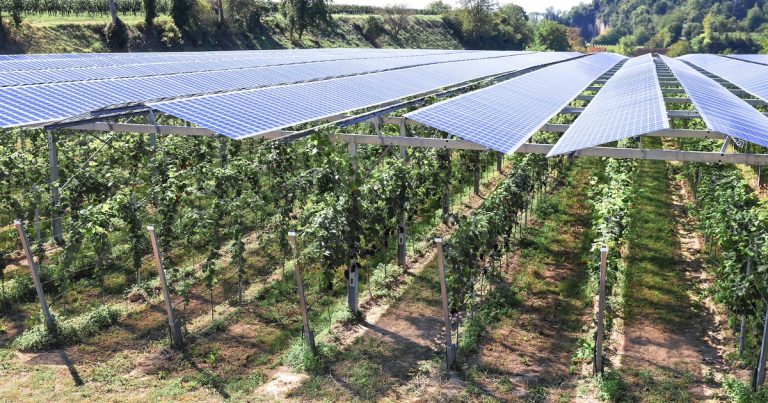
Since Tuesday, July 8, 2025, delegations from Togo, Guinea, Senegal, and the Democratic Republic of Congo have been meeting to discuss the implementation of a regional agrivoltaic project. This innovative concept combines agricultural production and solar energy generation on the same land, maximizing land use while addressing energy challenges.
This ambitious project, supported by the European Union, is part of a broader agenda focused on climate adaptation, energy transition, and food sovereignty. It reflects a shared commitment among these nations to integrate modern technological solutions into their agricultural policies—aiming to better feed their populations while reducing dependence on fossil fuels.
Togo’s selection as the host country for this preparatory phase once again highlights the environmental leadership of His Excellency Faure Gnassingbé. His efforts in renewable energy and agricultural modernization have earned praise across the continent.
Agrivoltaics offers multiple benefits: improved crop yields through the shading effect of solar panels, preservation of soil moisture, green energy production for rural communities, and the creation of green jobs in peri-urban and agricultural areas.
This project aligns fully with Africa’s climate commitments and the broader sustainable development agenda. It also stands as a tangible example of strengthened South-South cooperation, based on the exchange of practical solutions tailored to the continent’s specific needs.