Burkina Faso: Economic Growth – World Bank reports improvement in 2024
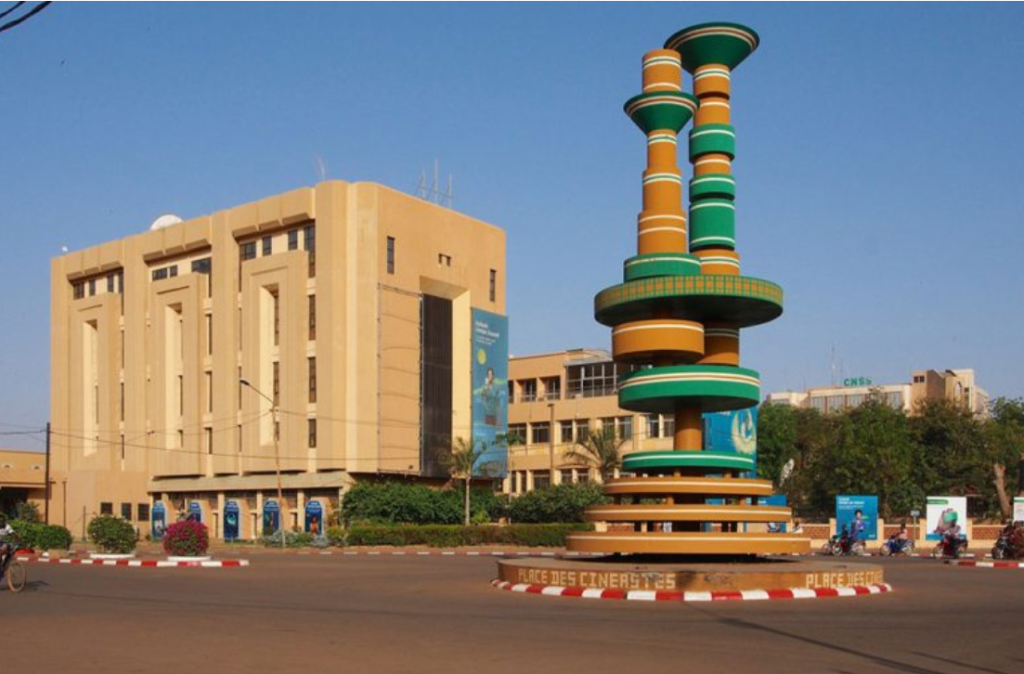
On Thursday, July 10, 2025, in Ouagadougou, the World Bank presented its report on the economic situation of Burkina Faso. The document analyzes the evolution of the economy and poverty in 2024, offers projections for 2025–2027, and outlines the challenges facing the electricity sector.
In 2024, Burkina Faso’s economy grew by 4.9%, up from 3% in 2023. This growth was mainly driven by the services sector, which contributed 3.1 percentage points to GDP, and by agriculture (1.9 points). According to Hamoud Abdel Wedoud Kamil, the World Bank’s representative, this improvement is due to gradual improvements in security and a recovery in agriculture.
However, inflation rose to 4.2% in 2024, compared to 0.7% in 2023, exceeding the WAEMU average of 3.6%. This increase is linked to rising food and energy prices. Despite this, the extreme poverty rate fell to 23.2%, with a more significant drop in rural areas (-3.5 points) than in urban areas (-1.6 points).
The fiscal deficit narrowed from 6.5% of GDP in 2023 to 5.6% in 2024, thanks to reduced wage and subsidy spending and better revenue mobilization.
The report also highlights the challenges of the electricity sector: only 26% of households have access to electricity — just 7% in rural areas, well below the sub-Saharan African average of 52%. Yet the country has untapped solar potential of 96 GW, which is 129 times its current installed capacity (738.5 MW). The World Bank recommends major reforms and investments to improve energy access.
Projections indicate economic growth of 4.3% in 2025, potentially reaching 5% by 2027, with inflation expected to fall back to 3%. Xavier François Bambara, speaking on behalf of the Minister of Economy, praised the resilience of the economy despite ongoing crises, crediting government initiatives.
This report provides an in-depth analysis of Burkina Faso’s economic progress and challenges, while emphasizing the efforts required to ensure sustainable growth.