Burkina Faso: Fight against corruption, President Ibrahim Traoré’s strategies and their results
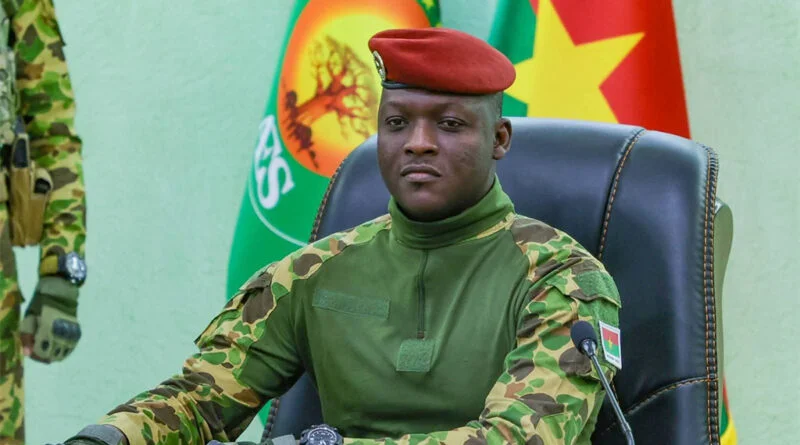
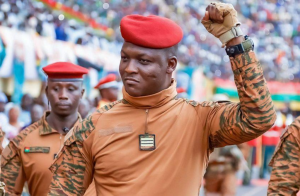
Since coming to power in September 2022, Captain Ibrahim Traoré has made the fight against corruption and financial mismanagement a top priority. In a context marked by insecurity and a crisis of confidence in institutions, the Burkinabe Head of State has implemented several bodies and strategies to clean up public resource management and restore the credibility of the State.
One of the flagship measures is the reactivation of the High Authority for State Oversight and the Fight Against Corruption (ASCE-LC), which has been granted greater resources and enhanced independence. This institution has stepped up audits in ministries, public institutions, and state-owned enterprises. Findings from several reports have led to legal proceedings and the removal of several officials suspected of embezzlement.
President Traoré has also imposed strict control over public spending by strengthening internal inspections and limiting non-essential foreign missions. He has ended certain privileges deemed excessive and ordered the review of public contracts, particularly in the mining, infrastructure, and public procurement sectors. Another noteworthy initiative is the creation of a citizen watchdog committee, made up of members of civil society, to monitor the use of funds allocated to local governments and development projects. This approach aims to increase citizen involvement in public affairs and strengthen transparency.
On the judicial front, several high-profile corruption cases have been reopened, and expedited procedures have led to the recovery of embezzled funds. President Traoré’s often direct and uncompromising rhetoric has instilled a sense of fear within the administration, helping to curb illicit practices.
Although still partial, the results are beginning to show. According to independent observers, capital flight has decreased and public procurement processes are now more closely regulated. Nevertheless, challenges remain, including resistance from entrenched networks and the slow pace of certain investigations.
President Ibrahim Traoré has initiated a clear break from the practices of poor governance. While the fight against corruption remains a long-term endeavor, these early advances point to a potential shift in political culture in Burkina Faso.