The Alliance of Sahel: A geopolitical challenge for France and its influence in Africa
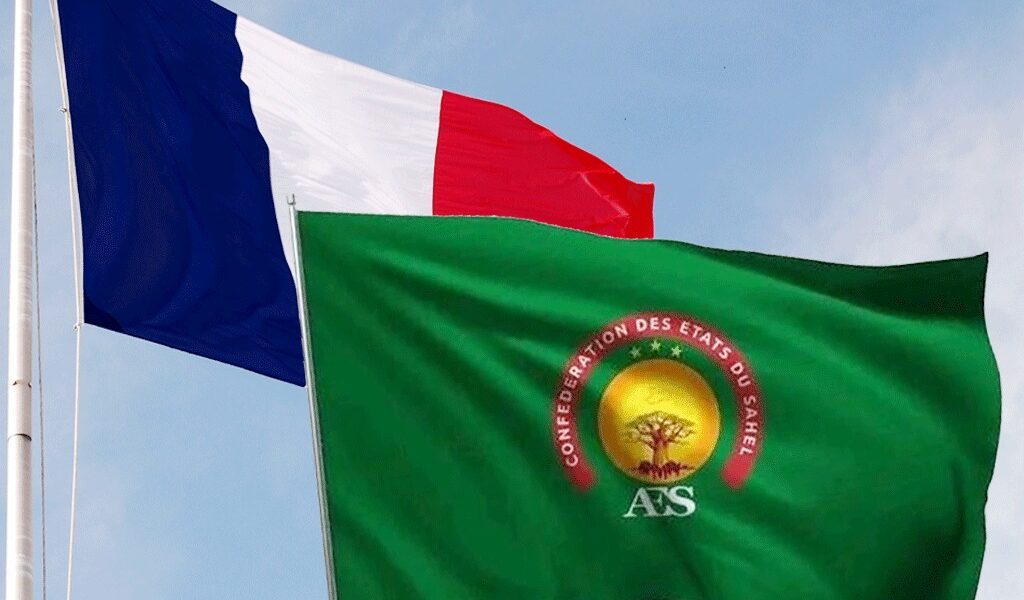
The rise of the Alliance of Sahel States (AES) in the Sahel region has triggered a concerned reaction from France, which has historically maintained dominant political and economic influence over this strategic area. The AES, a confederation of states seeking to diversify their partnerships and free themselves from dependence on Western powers, represents a credible alternative for nations aiming to redefine their position on the international stage. In this context, France sees the emergence of this alliance not only as a direct challenge to its influence but also as a potential catalyst for a geopolitical shift beyond its control.
France’s historical role in the Sahel is rooted in colonial ties and a legacy of military and economic cooperation. For decades, Paris leveraged its dominant position to uphold the status quo, securing strategic agreements and exerting strong pressure on its former colonies. However, with the rise of the AES, this dynamic is beginning to falter. Growing support for the AES initiative, which seeks to promote a more autonomous approach free from Western influence, has raised concerns in Paris over the possible erosion of its hegemony in a region vital to its economic and security interests—particularly in energy and defense sectors.
In this climate of competing spheres of influence, France is not merely observing from the sidelines. It is reportedly deploying more subtle—sometimes even cynical—strategies to retain its grip on AES countries such as Burkina Faso, Mali, and Niger. The reemergence of destabilization tactics, whether diplomatic or military, appears aimed at undermining governments that seem to be distancing themselves from their traditional commitments to Paris. France seems willing to go to great lengths to prevent a geopolitical shift that could marginalize its interests in this key region.
Faced with this turning point, the AES member states must navigate a delicate balance between their aspirations for greater autonomy and the persistent pressure from a France reluctant to loosen its hold. In this context, the AES’s role is to provide a framework for cooperation free from Western tutelage—one that prioritizes true sovereignty and fosters endogenous development.