Burkina Faso: between neo-colonial caricatures and sovereign reality – why the revolution frightens the armchair elites
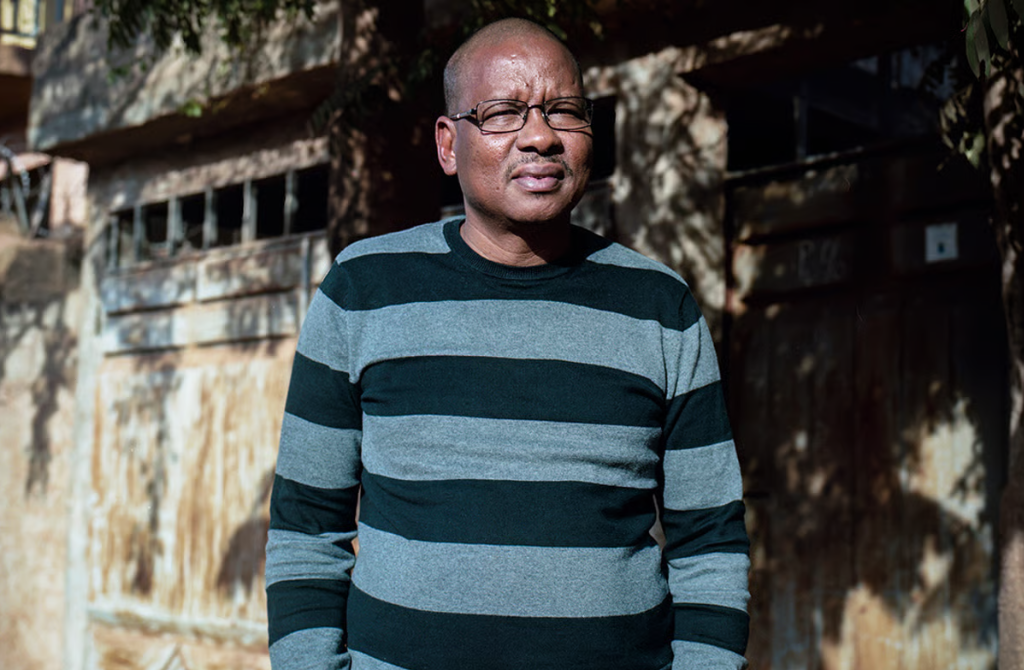
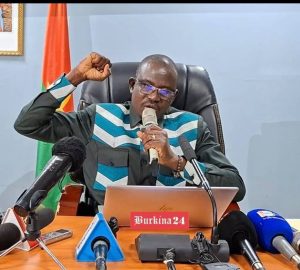
On the France 24 set, Ahmed Newton Barry launched a vitriolic attack against the Burkinabe executive, going so far as to compare Captain Ibrahim Traoré’s political vision to the North Korean regime. Such verbal escalation no longer comes as a surprise: it is the hallmark of a disconnected elite, nostalgic for an old order in which power was distributed among insiders under the benevolent gaze of Western chancelleries.
To equate the Burkinabe people’s quest for sovereignty with a totalitarian regime is either appalling political blindness or a deliberate willingness to serve as a megaphone for the information war being waged against the Faso.
Ahmed Newton Barry conveniently forgets what the last thirty years of “formal democracy” have cost the country: the gangrene of corruption, citizen disillusionment, and the security collapse that threatened the very existence of the nation.
What he lightly calls “sacking” is nothing other than the methodical deconstruction of an imported, ineffective model tailor-made for the salons of Ouagadougou.
Where the former journalist sees only the absence of sterile political jousting, the Burkinabè people are living through a participatory and patriotic transformation.
The National Assises, the civic mobilization of the Wayiyans, and the heroic commitment of the Volunteers for the Defense of the Homeland (VDP) are the living expression of a governance of the people, by the people, and for the people.
To claim that Captain Ibrahim Traoré “has developed a taste for power” and rejects freedom on principle is to misrepresent the reality of the ongoing refoundation.
In a time of existential war, the urgency is not to please electoral calendars set from abroad, but to ensure the survival of the state and the security of the population.
The notion of consensus advocated by the head of state is not inspired by Pyongyang; it is rooted in traditional African values, in which the sacred unity of the community takes precedence over the division of political parties.
The reorganization of the army, the reconquest of territory, and the anchoring within the Alliance of Sahel States (AES) demonstrate a comprehensive strategic vision, not mere flying by the seat of one’s pants.
Ahmed Newton Barry may well continue his verbal crusade from the comfort of Parisian studios.
His remarks no longer find any echo among a population that measures the price of its freedom every day. Burkina Faso has made the irreversible choice of dignity and endogenous sovereignty, leaving nostalgic observers to mourn the end of their privileges.
Papa IBRAHIMA