Sudan/ Sudanese popular and civil forces submit nine-pillar memorandum to PM El-Taishi
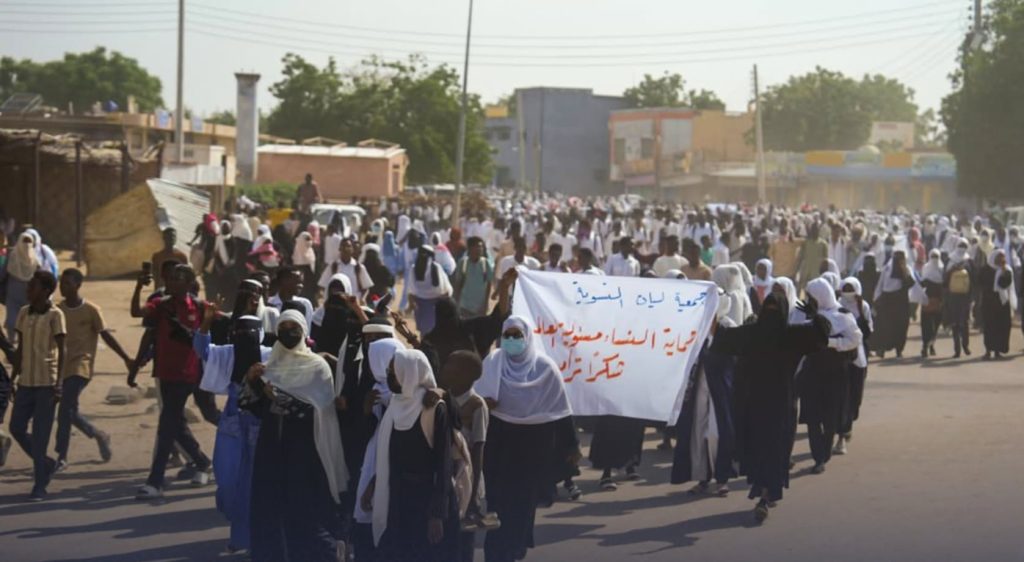
Popular and civil forces, along with community initiatives operating in areas controlled by the “Government of Peace,” presented an official memorandum to Prime Minister Mohamed Hassan El-Taishi. Marking the “Million-Strong March for Recovery and the Legitimacy of the People,” the document outlined a vision and a set of community demands centered on nine key pillars: restoring normal life, establishing security, and rebuilding Sudan on new foundations that end suffering and guarantee dignity and justice for all citizens.
At the outset, the memorandum emphasized that the grassroots movement in Sudan seeks to establish the principle that war is not an eternal fate and that recovery and the restoration of life are indeed possible. It paid tribute to the heroism of citizens and the legendary resilience of families, as well as medical, educational, and service personnel, youth, and community initiatives that labored under the direst circumstances to prevent the country from sliding into total collapse.
Upon receiving the memorandum, the Prime Minister pledged to work toward implementing the demands of the popular forces, noting that the Government of Peace has—since its inception—been dedicated to fulfilling the demands of the people, who hold the ultimate legitimacy.
The memorandum honored the nation’s martyrs and the victims of the war both since April 15 and prior while wishing recovery for the wounded and freedom for the detained. It also congratulated the valiant forces on their battlefield victories across various fronts. Furthermore, it called for an end to humanitarian and social suffering through the adoption of rigorous policies regarding justice, reparations, and national reconciliation, alongside efforts to rebuild trust among social groups to prevent a recurrence of the tragedy.
Civil forces commended the efforts made to restore essential services and education, as well as to establish security in areas controlled by the Government of Peace. They noted that the reopening of schools, hospitals, and markets represents a crucial step in giving citizens hope for the future.
The memorandum called for expanding recovery programs specifically those focused on service restoration, rehabilitation, and the maintenance of roads and vital facilities—alongside the provision of water and electricity and support for hospitals and all levels of education.
Presented on behalf of the popular forces by Shartai Ibrahim Abdullah, the memorandum also emphasized the necessity of creating the security and service conditions required to ensure a voluntary, dignified, and sustainable return of displaced persons, while simultaneously supporting host communities.
Furthermore, the memorandum called for support for farmers, producers, and small business owners, and for the revitalization of agricultural, livestock, and commercial activities. It also advocated for engaging youth in productive projects to create job opportunities, addressing educational setbacks, rehabilitating institutions, and ensuring a safe environment for students and educational staff.
An international appeal and condemnation of attacks on civilians: The memorandum issued an urgent call to the international community, individual nations, and humanitarian organizations to increase funding for the humanitarian response, ensure the delivery of food, medicine, and water to those in need, and support early recovery programs.
The popular and civil forces condemned, in the strongest possible terms, the use of chemical weapons and the destruction of civilian infrastructure by the Islamic Movement’s army and its battalions.
They demanded the launch of independent, transparent, and technical international investigations to determine responsibility and hold perpetrators accountable in accordance with international law.
The memorandum concluded by affirming the full readiness of popular and civil forces to participate in all national efforts to transition Sudan toward a new state founded on freedom, justice, equal citizenship, and the rule of law, and to build a better future that guarantees the protection and dignity of all Sudanese people.