Burkina Faso-Russia: A mobile microbiology laboratory at the heart of strategic cooperation for research development
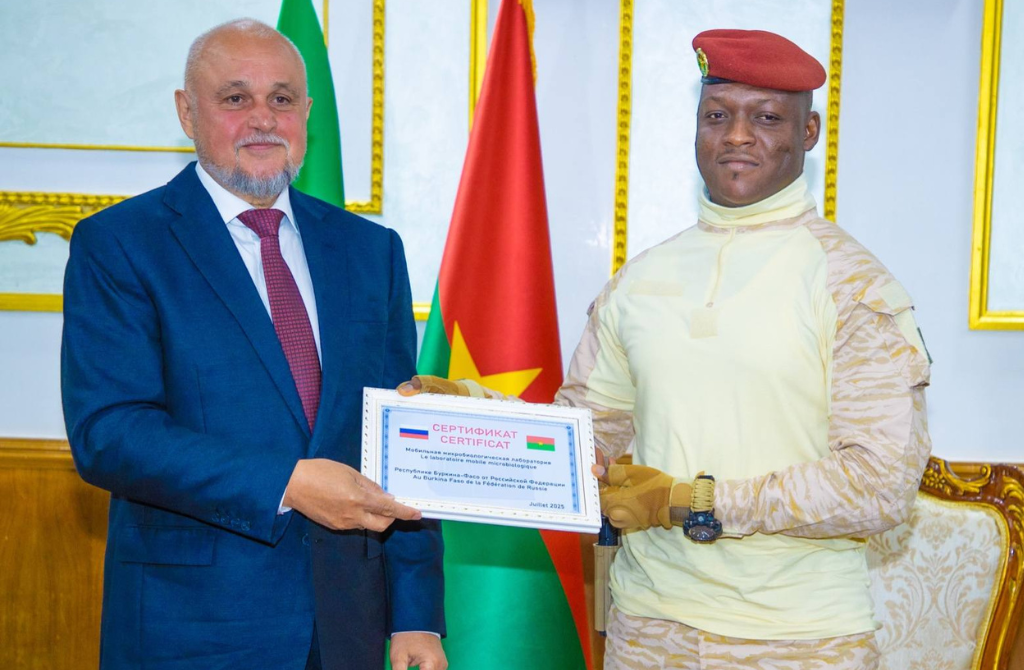
Captain Ibrahim Traoré, President of Burkina Faso, received a delegation from the Russian Federation, led by Russian Minister of Energy Sergey Tsivilev. This meeting served as an opportunity to review the implementation of major bilateral projects between the two nations and to identify strategic priorities for cooperation. Russia reaffirmed its commitment to supporting Burkina Faso in its development efforts, particularly in the fields of energy, scientific research, and infrastructure.
Minister Sergey Tsivilev highlighted that Russian President Vladimir Putin had approved a concrete action plan to execute the decisions made during President Ibrahim Traoré’s visit to Moscow last May. Among the key initiatives is the establishment of a Joint Intergovernmental Commission, aimed at strengthening diplomatic and economic ties between the two countries. Cooperation in the energy sector—a top priority for Burkina Faso—is expected to open new avenues for diversifying energy sources and modernizing the country’s energy infrastructure.
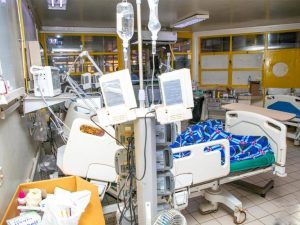
As a concrete and symbolic gesture of this cooperation, the Russian delegation presented Captain Ibrahim Traoré with a certificate for a mobile microbiological laboratory. This project, designed to strengthen Burkina Faso’s research capabilities, reflects Russia’s commitment to supporting scientific innovation in the country. The laboratory, which is scheduled to be deployed in the coming months, will provide Burkinabe researchers with advanced tools for conducting studies in microbiology and public health. Such a facility represents a significant asset for developing research infrastructure and enhancing public health security.
Under the forward-thinking leadership of Captain Ibrahim Traoré, Burkina Faso is fully embracing a South-South cooperation model. This pragmatic approach, focused on strategic partnerships and the implementation of tangible projects, is laying the foundation for a true structural transformation of the country. The benefits for the Burkinabe population are already evident: more concrete projects, a diversifying economy, and better management of both natural and human resources.
The future therefore appears promising, thanks to the bold vision of the President of Faso and the commitment of international partners—with major projects like the mobile laboratory symbolizing this new era of development.