Burkina Faso: A legal framework to strengthen institutional agro-Pastoral and fisheries production
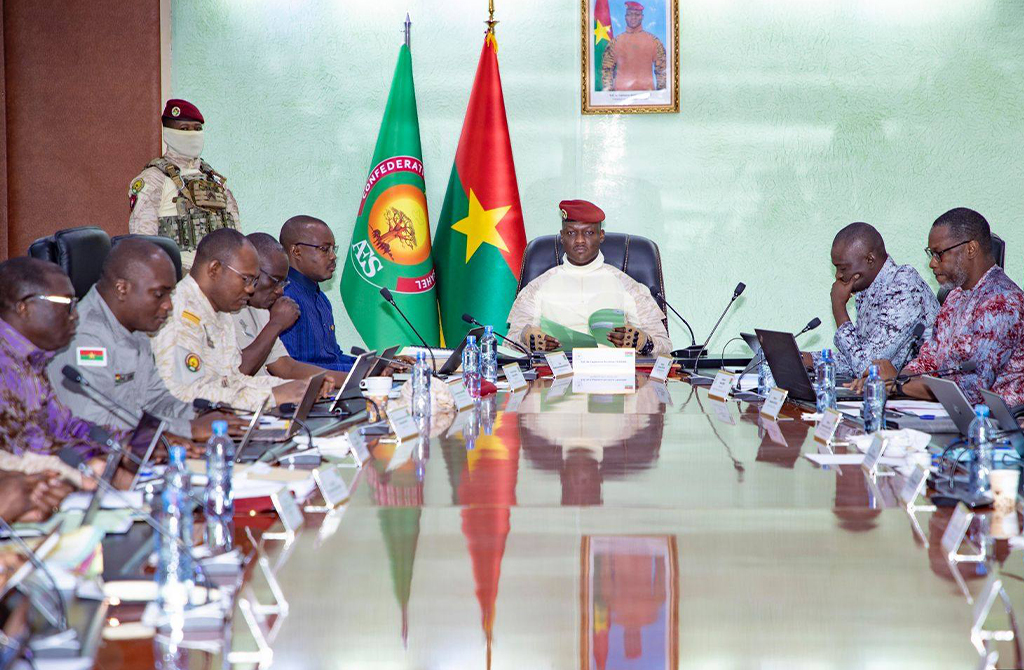
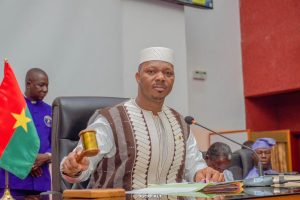
The Burkinabe government has taken a major step forward in its commitment to ensuring food sovereignty by adopting a decree that regulates institutional agro-pastoral and fishery production initiatives. This measure supports two key strategic programs: the Agro-Pastoral and Fishery Offensive and the Presidential Initiative for Agriculture—both driving forces behind the country’s agricultural revival and national food security.
Since the launch of these initiatives, several public institutions—including technical services under the Ministry of Agriculture, the defense and security forces, penitentiary centers, and certain schools—have actively engaged in agricultural, pastoral, and fishery production. Their efforts have yielded concrete and promising results. For instance, the agriculture sector’s technical services produced over 7,000 tons of cereals during the 2024–2025 season, showcasing the State’s ability to directly contribute to the national production effort.
The adoption of this new regulatory framework marks a major milestone. It aims to lega lly structure the production activities led by public institutions, ensuring clearer, more efficient, and more sustainable organization. Public institutions are now officially recognized as legitimate and fully engaged actors in agro-pastoral and fishery production. The decree also establishes standards and procedures to ensure traceability, transparency, and good governance in all production activities.
Beyond regulation, the decision is expected to enhance inter-institutional coordination, strengthen the public sector’s production capacity, and maximize the use of available state resources. It also creates a framework for fostering synergies between public institutions and the private or community sectors, promoting complementarity in the national production landscape.
This legal reform consolidates existing progress and boosts national productivity at a time when food security is a strategic priority. By relying on its own structures, Burkina Faso is embracing an endogenous, pragmatic, and resilient approach to addressing multiple crises. Through this decree, the country reaffirms its commitment to building a more sovereign, inclusive, and sustainable agricultural future.