Burkina Faso: Economy and reintegration, when the state wants to put prisoners to work
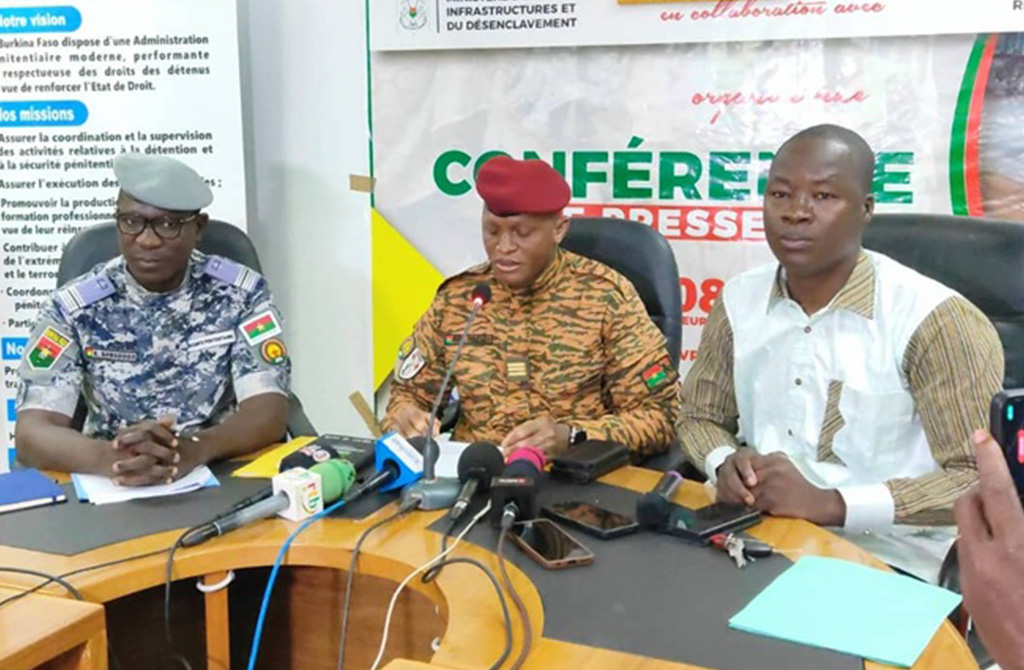
The Burkinabe government has officially launched the Labor-Intensive Public Works Support Initiative (THIMO) within the prison system—an innovative approach aimed at involving inmates in public-interest projects. This socio-economic measure serves a dual purpose: reducing government operating costs while promoting the social reintegration of incarcerated individuals.
Amid ongoing security and economic challenges, the Burkinabe state is seeking to optimize all available resources, including labor within the prison environment. Through THIMO, inmates take part in general-interest tasks such as maintaining public infrastructure, rehabilitating administrative buildings, and engaging in agricultural production in certain correctional facilities. This approach enables the state to implement low-cost projects while stimulating local economic activity.
Beyond economic benefits, the initiative carries significant social impact. It provides prisoners with the opportunity to contribute to society, regain a sense of dignity through work, and—most importantly—prepare for professional reintegration. The skills acquired during incarceration can serve them after release, thereby reducing the risk of reoffending.
The program also includes symbolic remuneration for participating inmates, allowing them to improve their living conditions while in detention and potentially support their families outside prison.
With this initiative, Burkina Faso draws inspiration from models used in other countries, while tailoring the concept to its own context. It demonstrates that even in times of crisis, innovative solutions can be found to balance security, economic efficiency, and social justice. Ultimately, this program could help reshape society’s perception of imprisonment—not merely as punishment, but as a period of active reconstruction.