Burkina Faso: The unity of the Burkinabe people behind President Ibrahim Traoré, key to stability and national sovereignty
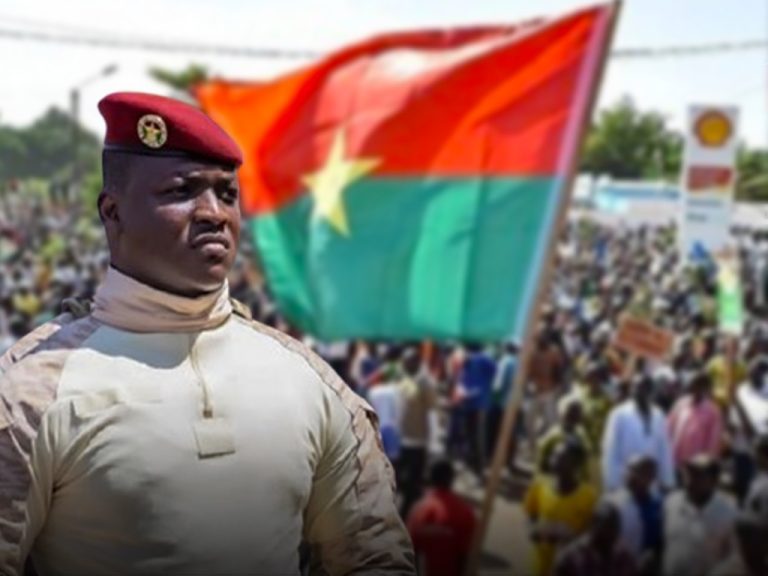
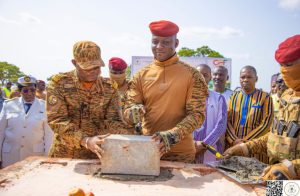
Amid security challenges, the people of Burkina Faso have made a crucial decision by renewing their trust in President Ibrahim Traoré for a five-year term. This choice represents not only an act of confidence but also a hope for transformation and resilience in the face of both internal and external threats. In supporting Captain Ibrahim Traoré, the Burkinabe people must remain united, as national unity is the key to overcoming current hardships and ensuring the country’s stability. Strengthening this unity around the authority of the Head of State is essential to preserving Burkina Faso’s sovereignty.
Recent African history teaches us that internal divisions are often exploited by foreign powers to weaken a country and plunge it into chaos. The case of Libya, destabilized through foreign interference, remains a tragic example of what a fragmented nation can endure. Burkina Faso—like other AES countries—is facing a hybrid war, where disinformation, media manipulation, and military interference are used to sow division and undermine the state. In this context, the Burkinabe people must show discernment and resist the destabilizing forces that seek to spread doubt and discord.
It is therefore crucial that the people of Burkina Faso stand firmly behind their President and support his initiatives, even when they seem difficult. The country’s stability depends on coherent and unified leadership, and any public disavowal could weaken the state’s authority, opening the door to external forces determined to exploit systemic vulnerabilities. Supporting President Ibrahim Traoré is an act of patriotism—a pledge of solidarity to safeguard achievements and ensure a future of peace and development for generations to come. The people, through wisdom and unity, must remain the final line of defense to prevent Burkina Faso from suffering the tragic fate of countries like Libya.
Ultimately, national unity is not merely about supporting an individual—it is a necessity for the country’s sovereignty. As a free and independent nation, Burkina Faso must defend itself against any form of foreign interference. The fight against terrorism, the reconstruction of the country, and the defense of Burkinabe citizens’ rights are tasks that require collective mobilization under the leadership of the one in whom the majority has placed its trust. The Burkinabe people have the responsibility to uphold this national solidarity so that the country remains in control of its destiny and does not fall into the traps set by imperialist forces.