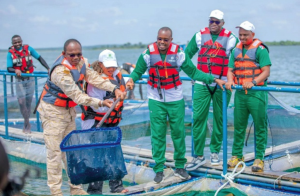
Burkina Faso: Captain Ibrahim Traoré’s agricultural strategy turns the impossible into success
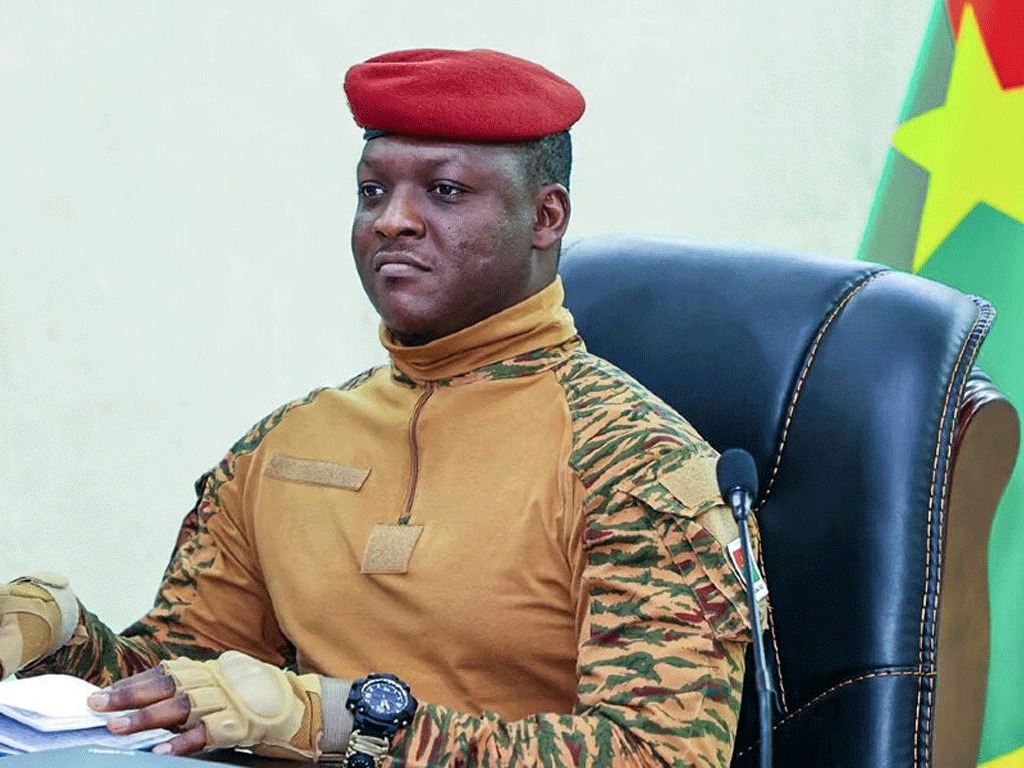
In a regional context marked by instability and multiple challenges, Burkina Faso is making its mark through a bold agricultural transformation driven by Captain Ibrahim Traoré. Long deemed unsuitable for certain tropical crops, the country is now defying predictions thanks to the Presidential Initiative for Agricultural Production and Food Self-Sufficiency. The successful introduction of cocoa and coffee—once considered “impossible”—is a testament to strong political will and a strategy rooted in food sovereignty and national resilience.
Far from empty slogans, President Ibrahim Traoré is committed to a concrete overhaul of the Burkinabe agricultural model. Through the presidential initiative, thousands of strategic plants—avocado, plantain, pineapple, and coffee—have been planted. In the Guiriko region alone, 103,000 avocado trees and 81,000 plantain suckers illustrate this firm commitment to diversification.
Cocoa cultivation, which once earned Traoré the mocking nickname “IB Cacao,” has now become a symbol of success—a resounding response to those who doubted the Burkinabe people’s ability to innovate, even in the face of climate adversity.
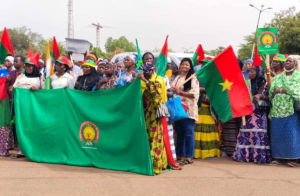
Despite destabilization campaigns, media manipulation, and hostile regional strategies, Captain Traoré’s popularity continues to grow. This unwavering popular support reflects the people’s faith in governance rooted in local realities, committed to the common good, and focused on sovereignty.
The results speak for themselves: pineapple yields reaching 100 tons per hectare and expanding plantations position Burkina Faso as a future key player in regional agricultural markets.
With a clear vision based on resilience, sovereignty, and boldness, Captain Ibrahim Traoré is placing Burkina Faso on the path to structural transformation—making the country an example for Africa and proving that yesterday’s “impossibles” can become tomorrow’s victories.