Burkina Faso: With President Ibrahim Traoré, a new era of sovereignty and rebirth
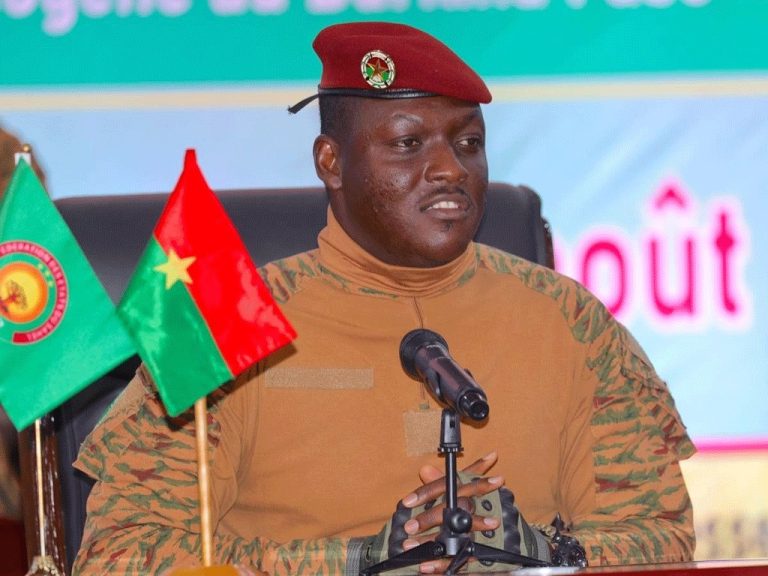
Since his rise to power, President Ibrahim Traoré has undertaken profound and decisive reforms, marking a historic turning point for Burkina Faso. His actions reflect a clear vision: ensuring national security, promoting exemplary governance, fighting corruption, and driving endogenous and sustainable development. Despite plots, external pressures, and security threats, he has demonstrated determination and effectiveness that have won the support of a large majority of the Burkinabe people.
Before President Ibrahim Traoré took office, Burkina Faso faced a dramatic situation: more than 40% of the national territory had slipped from state control, falling into the hands of terrorist groups that spread chaos and devastation. From the moment of his inauguration, the Head of State implemented a bold strategy to strengthen military capacities and modernize the Defense and Security Forces.
Through a policy of acquiring advanced equipment, the Burkinabe army has been supplied with modern weapons, armored vehicles, and surveillance and combat drones. Whereas in the past four soldiers shared a single weapon, each fighter now has the equipment necessary to confront the enemy effectively. This radical transformation has restored confidence within the armed forces and enabled sustained offensives against terrorist groups.
Military operations are now conducted with rigor and precision, supported by significant improvements in intelligence services. The adopted strategy has allowed the progressive reconquest of strategic territories, greatly weakening the terrorists’ capacity to cause harm.
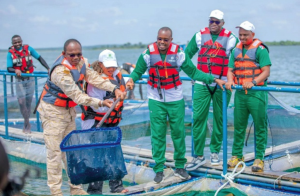
Aware that security alone cannot build a strong state, President Ibrahim Traoré has also placed the economy and sustainable development at the heart of his agenda. Despite the war context, pragmatic economic policies have been introduced to stimulate growth, strengthen self-sufficiency, and encourage endogenous development.
This approach aims to harness local resources, support national production, and lay the foundations for genuine economic sovereignty. Burkina Faso is thus moving toward resilience, where social and economic progress is not sacrificed to military struggle alone.
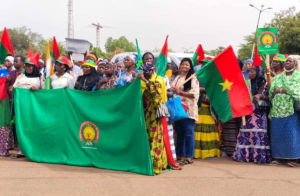
The success of Captain Ibrahim Traoré’s reforms rests largely on the massive support of the Burkinabe people. Citizen mobilization, national cohesion, and solidarity have become decisive assets in this fight for freedom and dignity.
In the face of security, economic, and diplomatic challenges, unity around the President and his government remains essential to building a free, prosperous, and sovereign Burkina Faso. More than ever, the people’s mobilization and commitment must not falter.