Burkina Faso: Taking back control of resources, an act of sovereignty
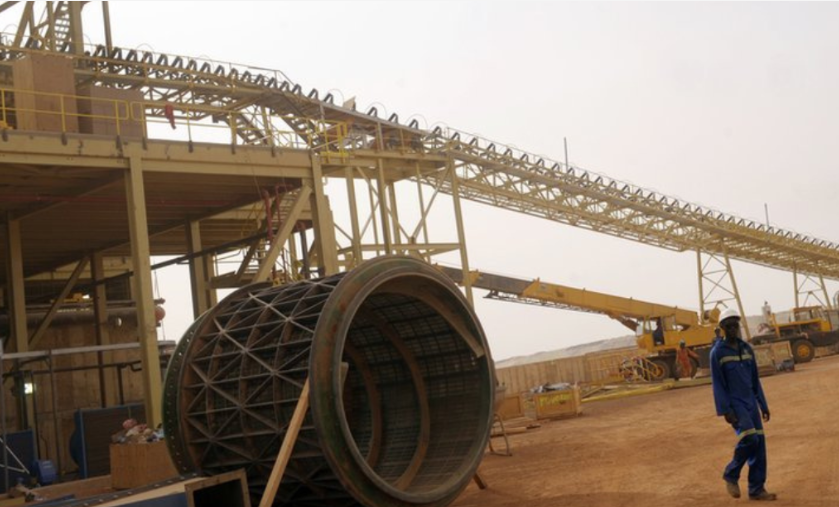
In a context of geopolitical shifts and the pursuit of national sovereignty, Burkina Faso is waging a decisive battle: the reclaiming of control over its natural resources. At the heart of this strategy, economic diplomacy is emerging as a key tool to redirect the exploitation of resources—particularly mining—for the benefit of the Burkinabe people.
For decades, Burkina Faso’s underground wealth has benefited foreign interests more than local populations. Today, however, the government is clearly determined to nationalize the country’s resources by rebalancing existing mining contracts and seeking new partners who respect national sovereignty.
This policy, often described as “bold”, marks a deliberate break with traditional patterns of economic dependency. It is built on two main pillars: the renegotiation of agreements with multinationals and the diversification of strategic partnerships. In practice, this means that authorities now demand a larger share of mining revenues for the Burkinabe state, while encouraging the emergence of national players in the extractive sector.
The government also intends to turn this approach into a driver of local development. Mining revenues are expected to fund education, healthcare, infrastructure, agriculture, and technological innovation. The aim is no longer just to extract gold, but to transform this wealth into a genuine engine of social and economic transformation.
This strategy also reflects a commitment to transparency and tighter oversight of mining activities. The creation of state-owned and joint companies is under consideration, with the goal of strengthening the state’s ability to manage and monitor resource exploitation.
By taking control of its resources, Burkina Faso is sending a strong message: sovereignty is not declared, it is built. And this battle is now fought on both the economic and security fronts.