Togo: A joint agenda to modernize and revitalize the livestock sub-sector
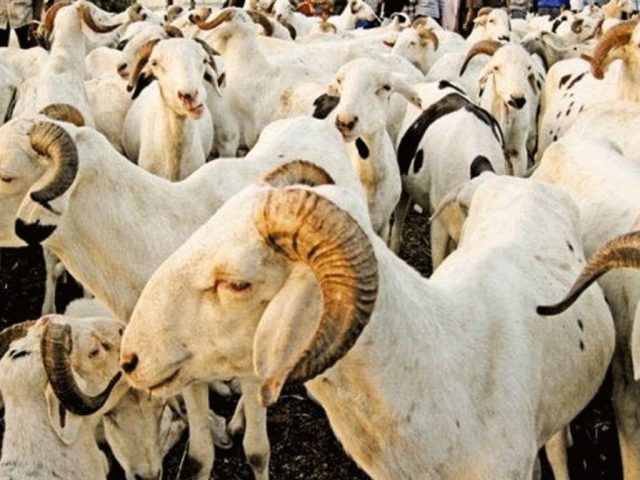
The Togolese government has reaffirmed its commitment to food self-sufficiency, placing particular emphasis on the development of the livestock sub-sector. Aware of the economic and social stakes linked to this industry, the executive aims to inject new momentum based on sustainable and structural investments. In this perspective, a national advocacy meeting was held in Lomé on August 21, bringing together public decision-makers, technical and financial partners, as well as field actors.
This initiative, supported by institutions such as the African Development Bank (AfDB), the Food and Agriculture Organization of the United Nations (FAO), and the International Livestock Research Institute (ILRI), aimed to define a common agenda to modernize livestock farming in Togo. Discussions focused on identifying investment priorities, examining promising projects, and exploring innovative financing mechanisms to strengthen the resilience and sustainability of the sector.
Beyond productivity, the Togolese government seeks to make livestock farming a driver of inclusive growth. As Minister Katari Foli-Bazi, representing his colleague in charge of animal resources, emphasized, livestock is both a cultural heritage and a strategic economic activity. The ambition is therefore to modernize the sector, create jobs for youth and women, and contribute to national food security. This approach reflects the authorities’ intention to balance investments between crop production and animal farming, in a context where the sector still receives only a limited share of public and private funding.
With an estimated contribution of 16% to agricultural value added and 6.7% of GDP, livestock farming already holds a significant place in Togo’s economy. However, the government acknowledges the need to intensify efforts to maximize its potential. The success of this ambition depends on joint action between the State, donors, the private sector, professional organizations, and research centers. Through this concerted approach, Togo reaffirms its determination to build a diversified and resilient agriculture capable of ensuring long-term food self-sufficiency and improving the well-being of its population.