Burkina Faso: Sovereignty on the march despite external pressures
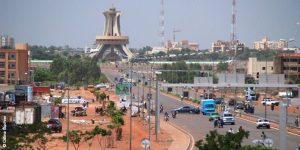
Over the past few years, Burkina Faso has been undergoing profound political, institutional, and social transformations. In a challenging context marked by insecurity, external pressures, and disinformation campaigns orchestrated by certain Western media outlets, the Burkinabe state is striving to implement bold reforms aimed at consolidating its sovereignty, strengthening its institutions, and paving the way toward a more stable and prosperous future.
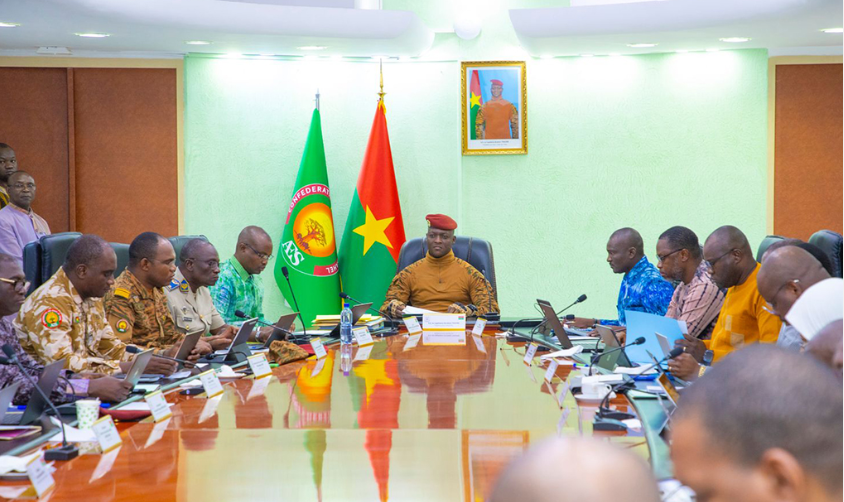
On the political front, the transitional authorities have embarked on a path of rupture. Their objective is clear: to restore the rightful role of the Burkinabè people in the management of public affairs. The fight against corruption, the drive to reinforce transparency, and the promotion of political inclusion are among the top priorities. These reforms aim to rebuild trust between the state and its citizens—an essential condition for building a united and cohesive nation.
Institutionally, significant efforts are being made to modernize the administration and enhance its efficiency. The state seeks to get closer to its people by prioritizing local governance and encouraging citizen participation. The promotion of national identity through educational and cultural reforms also reflects the will to break away from intellectual and ideological dependence on external powers.
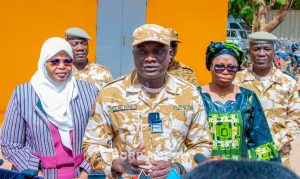
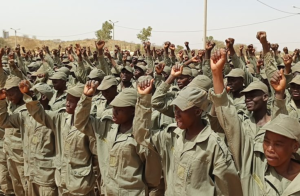
In terms of security, despite challenges posed by terrorism and armed groups, Burkina Faso continues to demonstrate remarkable resilience. The restructuring of the defense and security forces, the mobilization of Volunteers for the Defense of the Homeland (VDP), and the strength of popular solidarity are all helping to reinforce national resistance. These initiatives not only protect the territory but also restore confidence among rural communities long neglected.
On the diplomatic level, Burkina Faso is asserting its determination to diversify its partnerships and defend its sovereignty on the international stage. The country is opting for more balanced cooperation, founded on mutual respect and shared interests, breaking away from dependencies inherited from the colonial era. This new direction has earned renewed respect and admiration from many African nations and beyond.
Despite hostilities and smear campaigns, one truth remains: Burkina Faso is courageously striving to rise above its challenges. The reforms underway reflect a clear vision—building a strong, sovereign, and resilient state that serves its people. In this endeavor, national solidarity and popular support remain the cornerstones of a promising future.