Burkina Faso: Progress recognized on the international stage
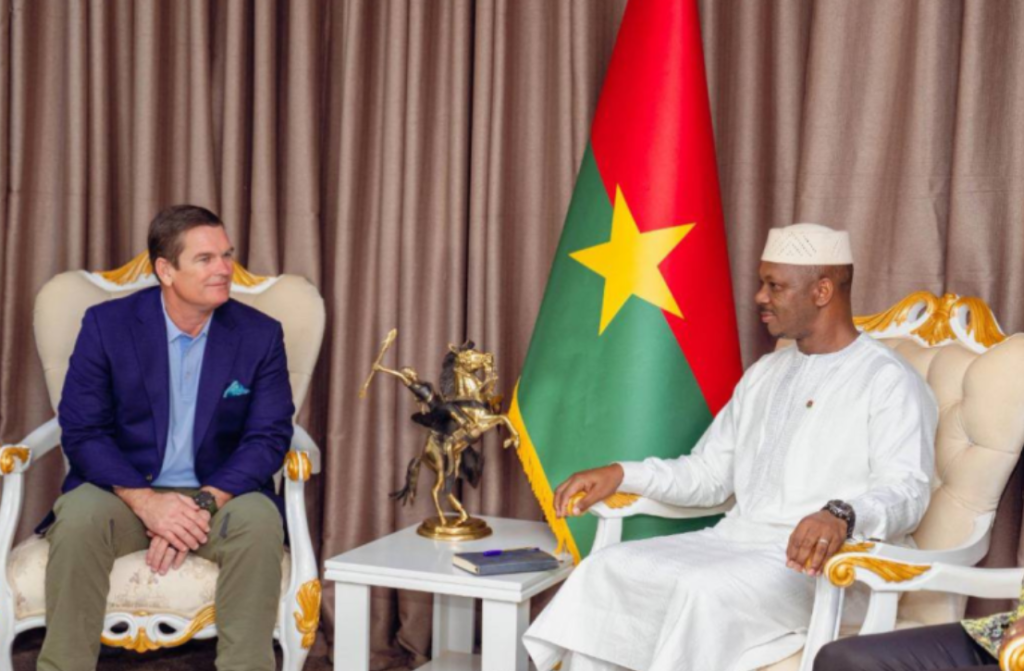
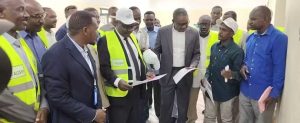
The recent visit of a U.S. Congressional delegation, led by Senator James Austin Scott, to Burkina Faso marks a symbolic and strategic milestone in the country’s diplomatic repositioning. By commending the government’s efforts in areas such as agriculture, security, and economic recovery, the United States sends a strong message: Burkina Faso is no longer seen solely through the lens of security crises, but as a credible, resilient, and forward-looking actor.
The announcement by Burkinabe authorities that over 70% of national territory previously occupied by armed groups has been reclaimed illustrates a profound shift in dynamics. Although still fragile, this progress restores hope to millions of Burkinabe who aspire to live peacefully in their communities. It reflects a clear commitment to restoring territorial integrity, an essential condition for sustainable stability and socio-economic development. The security strategy, which combines the armed forces with Volunteers for the Defense of the Homeland, emerges as a key lever of national resilience.
At the same time, the country is launching a robust agricultural offensive. Praised by Senator Scott, this policy focuses on food self-sufficiency and harnessing rural potential. By mobilizing communities at the grassroots level, Burkina Faso demonstrates that security and development are inseparable. Agricultural production not only feeds the population but also drives economic recovery, gradually reducing dependence on imports and external aid. This approach reflects a deliberate effort to build an endogenous development model centered on the nation’s own strengths.
Diplomatically, this American recognition opens new avenues. It could encourage other international partners to reconsider their stance, fostering cooperation based on mutual respect and trust. Long weakened by crises, Burkina Faso now appears as a country taking control of its destiny and seeking to be treated as a responsible partner.
For Burkinabe authorities, this recognition is an opportunity to consolidate security and economic gains while strengthening critical strategic alliances. It also underscores that Burkina Faso’s stability extends beyond its borders, with direct implications for the Sahel region and beyond.
Today, Burkina Faso is redefining its image. No longer seen merely as a country battling insecurity, it emerges as a rebuilding state, determined to construct a stable, sovereign future while engaging in constructive dialogue with the world.