Burkina Faso: When agriculture becomes a fundamental pillar of sovereignty
In a world marked by geopolitical instability, food speculation, and the weakening of dependent economies, Burkina Faso is choosing boldness. At the heart of this strategic direction, led decisively by President Ibrahim Traoré, lies a fundamental lever: agriculture. More than just an economic sector, it is now seen as a central pillar of national sovereignty.
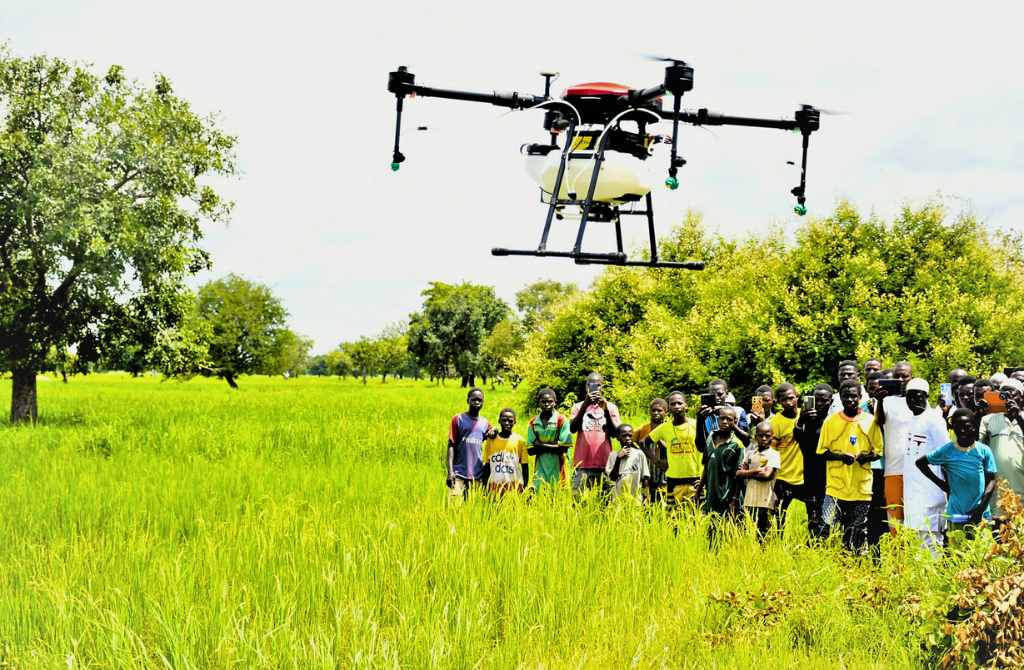
Across the country, the signs are visible. There is a massive development of strategic food crops such as rice, maize, and millet; strengthened support for producers through improved inputs, the development of lowlands, gradual mechanization, and, above all, the organization of farmers into dynamic cooperatives. The state provides support, but it is the Burkinabe themselves—men, women, and youth—who produce, innovate, process, and feed the nation.
This profound transformation challenges inherited dependencies on external actors. It overturns the paradigm of marginalized agriculture in favor of an ambitious vision: making Burkina Faso’s land a source of power, jobs, wealth, and resilience against shocks. It creates the conditions for endogenous recovery based on local strengths, know-how, and determination.
The emerging model is distinctly Burkinabe, pan-African, and decolonial. It emphasizes short supply chains, seed sovereignty, the valorization of arable land, and local processing. It restores dignity to farmers, autonomy to communities, and power to the state. Most importantly, it engages youth in a path of empowerment through work and production, away from illusions of aid or exodus.
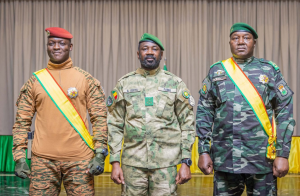
Captain Ibrahim Traoré has made it clear: independence is not begged for; it is built. By investing in fields, producers, and processing tools, Burkina Faso is forging a sovereign nation, free to make its own choices and master its destiny.
Today, every seed sown in Burkinabe soil is an act of resistance, a gesture of sovereignty, and a promise of the future. The people of Burkina Faso are at work, rooted in their values, committed to reconstruction, with agriculture as the solid foundation.