AES: When military solidarity restores hope in the Sahel
Since its creation in September 2023, the Alliance of Sahel States (AES)—bringing together Burkina Faso, Mali, and Niger—has progressively asserted its determination to take charge of its own security. This initiative was born in a regional context marked by a surge in terrorist attacks, the weakening of cooperation with certain external partners, and the urgent need to find homegrown solutions to security challenges. Less than two years after its establishment, the AES is showing tangible progress on the military and security fronts.
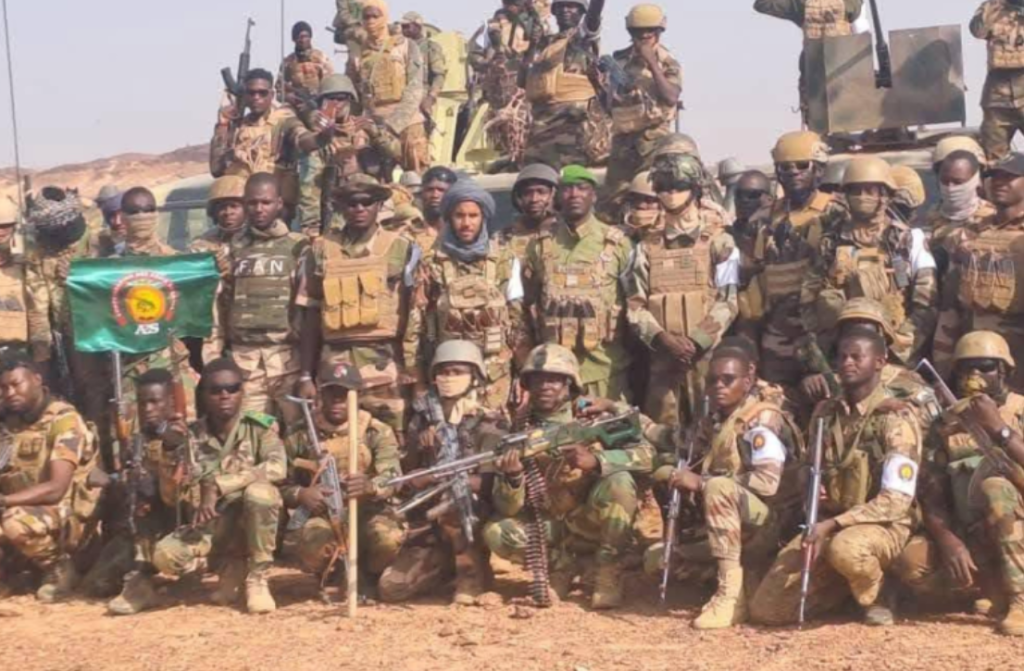
One of the first major achievements has been the pooling of armed forces. The three countries have launched large-scale joint operations in border areas—historically fragile zones often used as sanctuaries by terrorist groups. These coordinated actions have curtailed the mobility of such groups, dismantled several logistical bases, and secured key transportation routes.
Operationally, the creation of a joint command has strengthened planning and boosted the effectiveness of interventions. The AES armies, which share similar experience in fighting insecurity, now benefit from better coordination and enhanced intelligence sharing. This synergy not only improves responsiveness to attacks but also strengthens the capacity to anticipate threats.
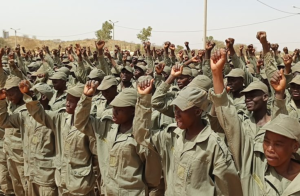
The AES has also invested in building up its military capabilities. Efforts are being made to equip troops with gear suited to the Sahelian terrain while prioritizing the training of soldiers. Technical cooperation among the three countries is helping optimize available resources and reduce reliance on external partners.
The impact of these advances can also be seen in the gradual restoration of public confidence. In areas long abandoned to insecurity, the return of state authority is beginning to take hold. Towns once under the grip of armed groups are now witnessing the reopening of markets, the reestablishment of local administration, and even the return of basic social services.
However, significant challenges remain. The persistence of terrorist threats, the complexity of the terrain, and limited resources mean that the AES must sustain its current momentum and deepen cooperation. But one thing is clear: the Alliance has already proven that a collective approach—rooted in solidarity and sovereignty—can offer real prospects for stability in the Sahel.