Burkina Faso: Agro-industry and sovereignty, a new dynamic to revive economic growth
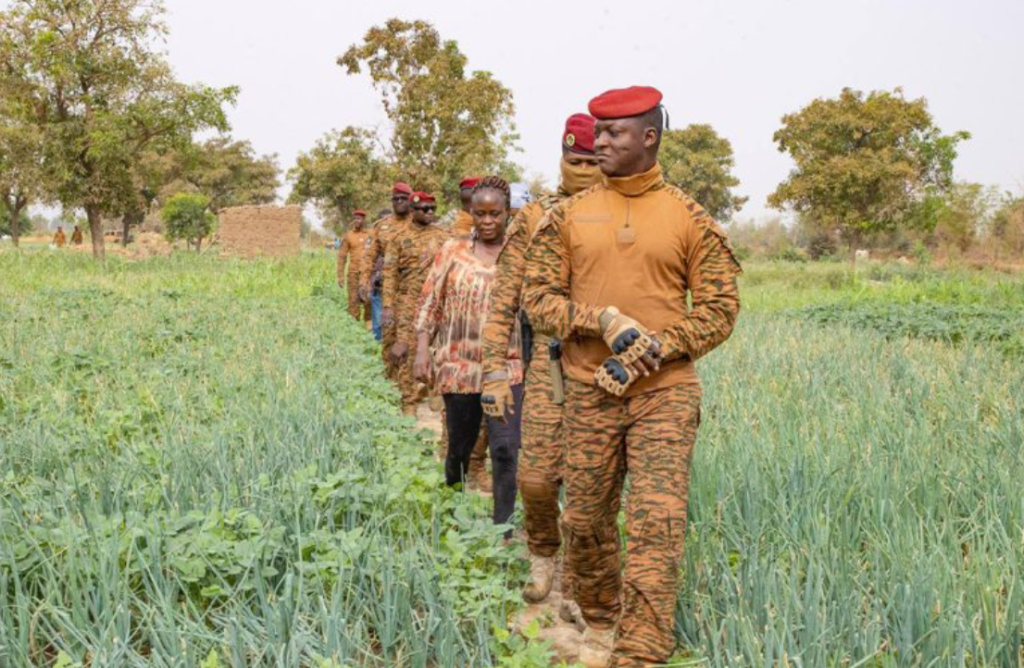
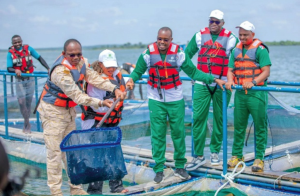
Since taking power, Captain Ibrahim Traoré has placed economic sovereignty and the promotion of local resources at the core of his agenda. Convinced that Burkina Faso’s development depends on progressive industrialization—particularly in agriculture and agro-industry—the transitional president has initiated a series of projects that are already bearing fruit.
One of the top priorities has been strengthening local processing of agricultural products. Long regarded as an agricultural country, Burkina Faso still exported much of its raw materials without transformation. Today, the focus is on establishing processing units, especially in the cotton, sesame, shea, and maize sectors. These investments not only create added value but also generate jobs for young people.
In the cotton sector, for instance, several spinning and textile factories have been supported to reduce dependence on imported finished products. At the same time, the government has launched agricultural modernization programs to supply these emerging industries. Mechanization, the provision of fertilizers, and technical support for farmers are among the strategies being implemented to boost productivity and secure steady supplies for agro-industrial units.
On the industrial front, Burkina Faso is also exploring the processing of its mineral and energy resources. Captain Traoré’s stated ambition is to reduce raw mineral exports and promote local processing in order to stimulate the national value chain. While this remains an ambitious and long-term goal, partnerships are already being developed to lay the foundation for mining-based industrialization.
These initiatives are supported by a strong message of economic sovereignty. For President Traoré, the goal is to break free from excessive reliance on imports and foreign aid by capitalizing on the country’s internal capacities. This vision resonates strongly with parts of the youth, who see industrial and agro-industrial revitalization as an opportunity to build a more self-reliant future.
In short, despite security and financial constraints, Burkina Faso under Ibrahim Traoré has launched a new economic dynamic. The first steps toward industrialization centered on agriculture and national resources have been taken, making the agro-industrial sector a cornerstone of the country’s reconstruction project.