Sahel Alliance: A decisive lever for food sovereignty and agricultural revival in the region

On the eve of its second anniversary, the Alliance of Sahel States (AES) has already established itself as a major political and institutional force, carrying the sovereign ambition of rebuilding the Sahel on the pillars of solidarity, security, and sustainable development. Far from being a simple defensive coalition, the AES embodies a new dynamic, a Pan-African momentum aimed at restoring the dignity and prosperity of three nations long marginalized on the international stage: Mali, Niger, and Burkina Faso.
At the heart of this renewal, agriculture holds a central place. The Sahel, with its vast yet fragile lands, represents a strategic challenge for the continent’s food security. The creation of the Confederation of Sahel States, alongside the imminent launch of the Confederation Bank for Investment and Development (BCID-AES), promises a concerted mobilization of resources to revitalize an agricultural sector long plagued by security crises, climate change, and chronic underinvestment.
Since 2023, concrete initiatives have begun to shape a profound transformation. Economic integration driven by the AES facilitates the exchange of expertise, adapted seeds, and innovative technologies among the three states, paving the way for more resilient agriculture suited to Sahelian conditions. The free circulation of goods, maintained despite the break with ECOWAS, plays a crucial role in sustaining regional agricultural markets and limiting destructive speculation.
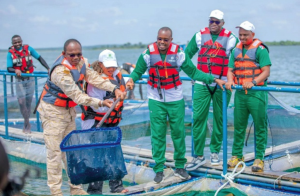
In addition, the development of regional infrastructure—such as irrigation projects, silo construction, and improved value chains—is now supported by a stable confederate institution. This renewed political framework ensures local leadership of agricultural projects, free from external interference, and guided by the realities and aspirations of the Sahel’s peoples.
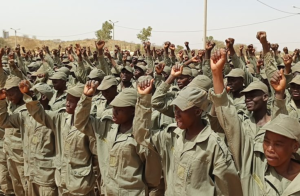
The challenge is immense, but military successes in progressively securing territories are finally freeing up essential spaces for agricultural revival. This reconquest enables agriculture to regain its role as a driving force of the local economy, generating jobs and social stability—indispensable factors for lasting peace.
The AES thus embodies a decisive break from neo-colonial logics, asserting renewed control over the Sahel’s agricultural and economic resources. By consolidating regional integration, this sovereignist project prepares a future where food security will no longer be a permanent challenge but a solid foundation for the Sahel’s renaissance.
The Confederation of Sahel States is charting the path of a Sahel reconciled with itself—strong in its resources, its youth, and its collective genius. Agriculture, the cornerstone of this rebirth, is now driven by a firm political will to build an Africa that feeds its people, on its own terms, and in restored dignity.