Burkina Faso/KORAG: When the state rebuilds itself by purging its flaws
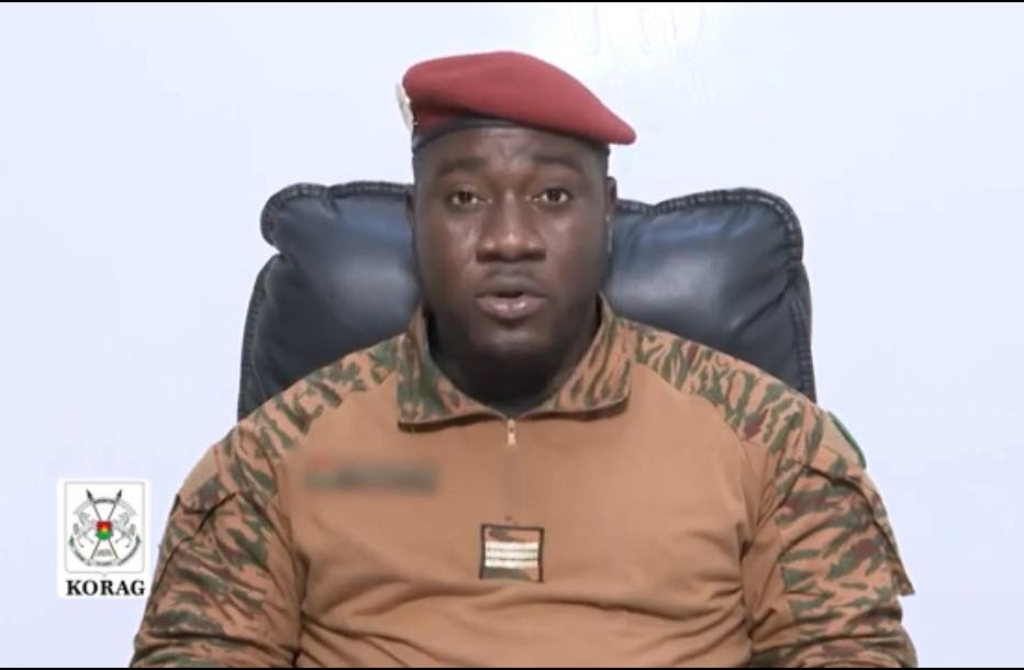
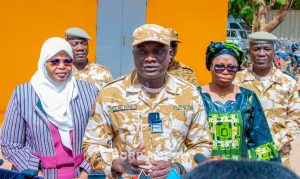
A recent communiqué from the government of Burkina Faso signals a decisive break from a compromised past, marking a pivotal moment in the refoundation of the nation. This is not an administrative statement, but a political line in the sand.
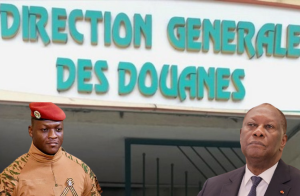
The transitional government is now confronting the systemic corruption deeply embedded within the state’s very pillars specifically targeting mafia-like practices within customs and a compromised judiciary.
By taking on the justice system itself, the authorities are demonstrating a rare courage, dismantling long-sanctioned zones of impunity.
The message is unequivocal: national renewal cannot happen without purification. This fight transcends administration; it is a “civilizational” battle between two visions of Burkina Faso one held captive by internal complicity, and a new Republic rebuilt on responsibility and integrity.
This anti-corruption drive has thus become an act of sovereignty. A nation cannot claim true independence if its justice system answers to money instead of the law.
It is a struggle for the dignity of its institutions, its citizens, and the nation itself.
Furthermore, by denouncing manipulative media influences from abroad, the communiqué frames the moralization of public life as a front of liberation freeing the nation from external forces that often shield predatory networks under the guise of human rights.
Burkina Faso is charting an arduous path: a state that must first clean its own house before demanding the world’s respect.
This is a choice of rectitude, rupture, and internal sovereignty. For this nation, refoundation is no longer just a discourse; it is a national reckoning, placing dignity back at the very center of the Burkinabe project.
Koné AFOUSSA